

India’s New Global Positioning in Textiles: A Strategic Growth Story

Share Post
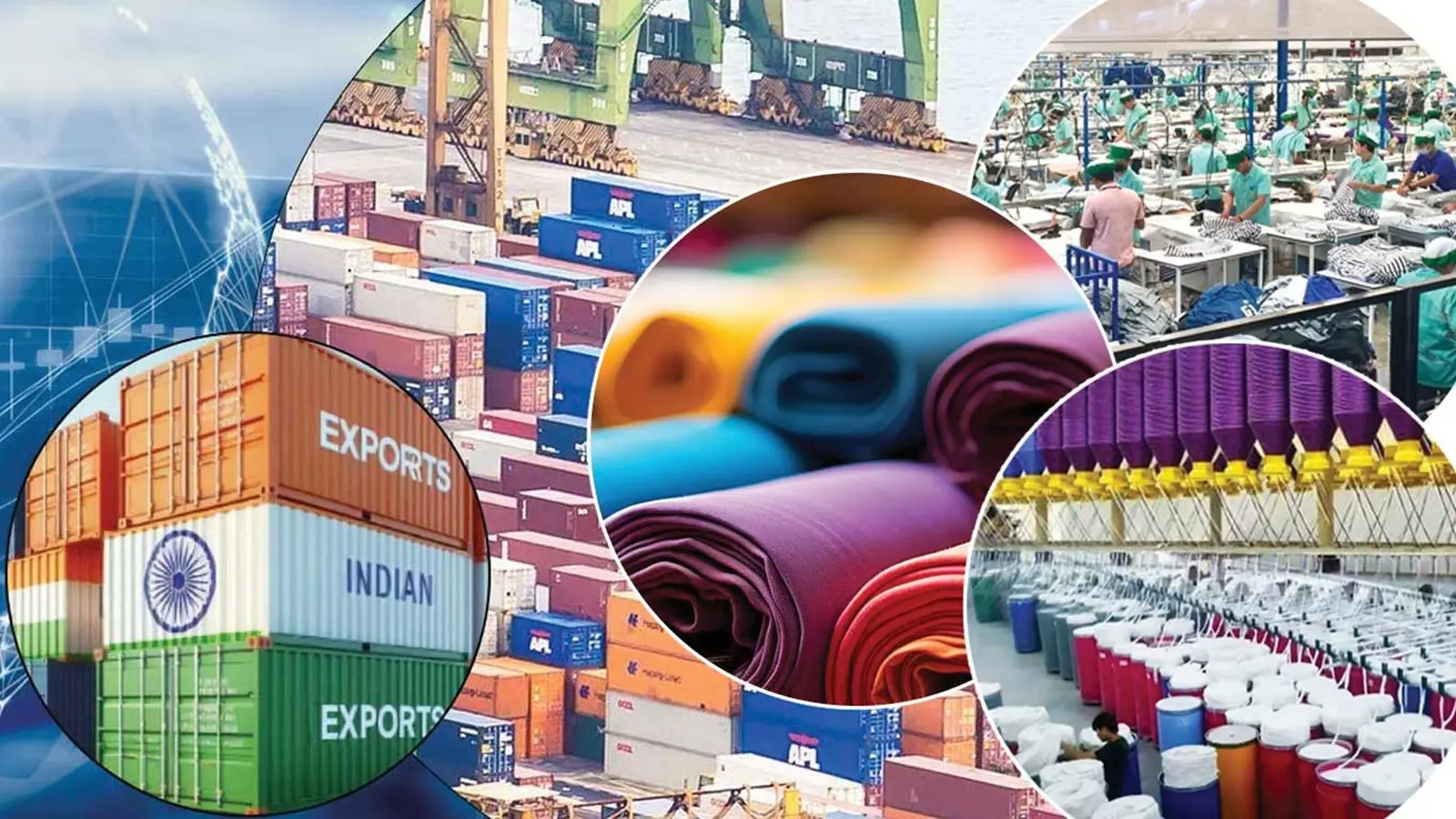
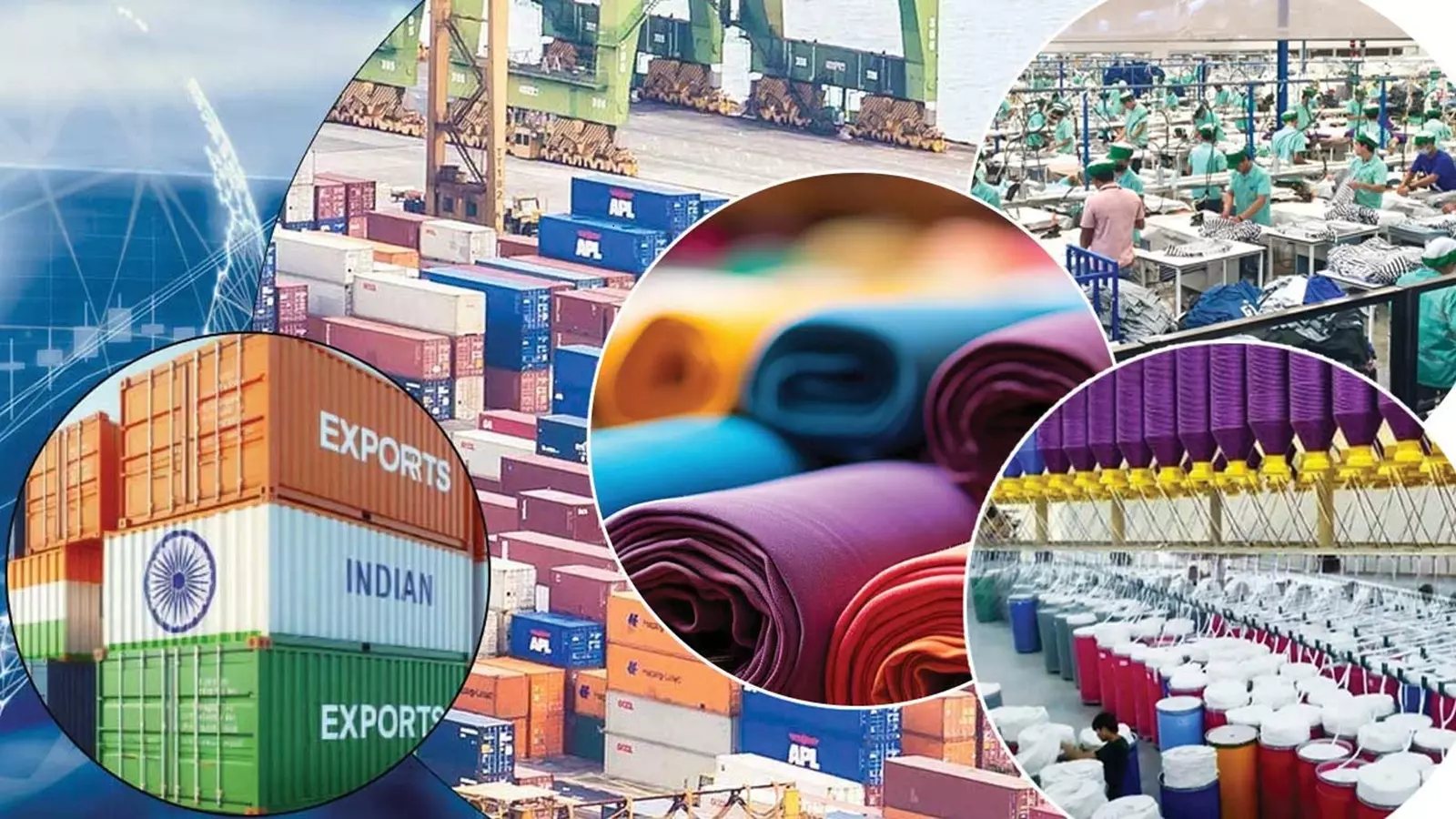
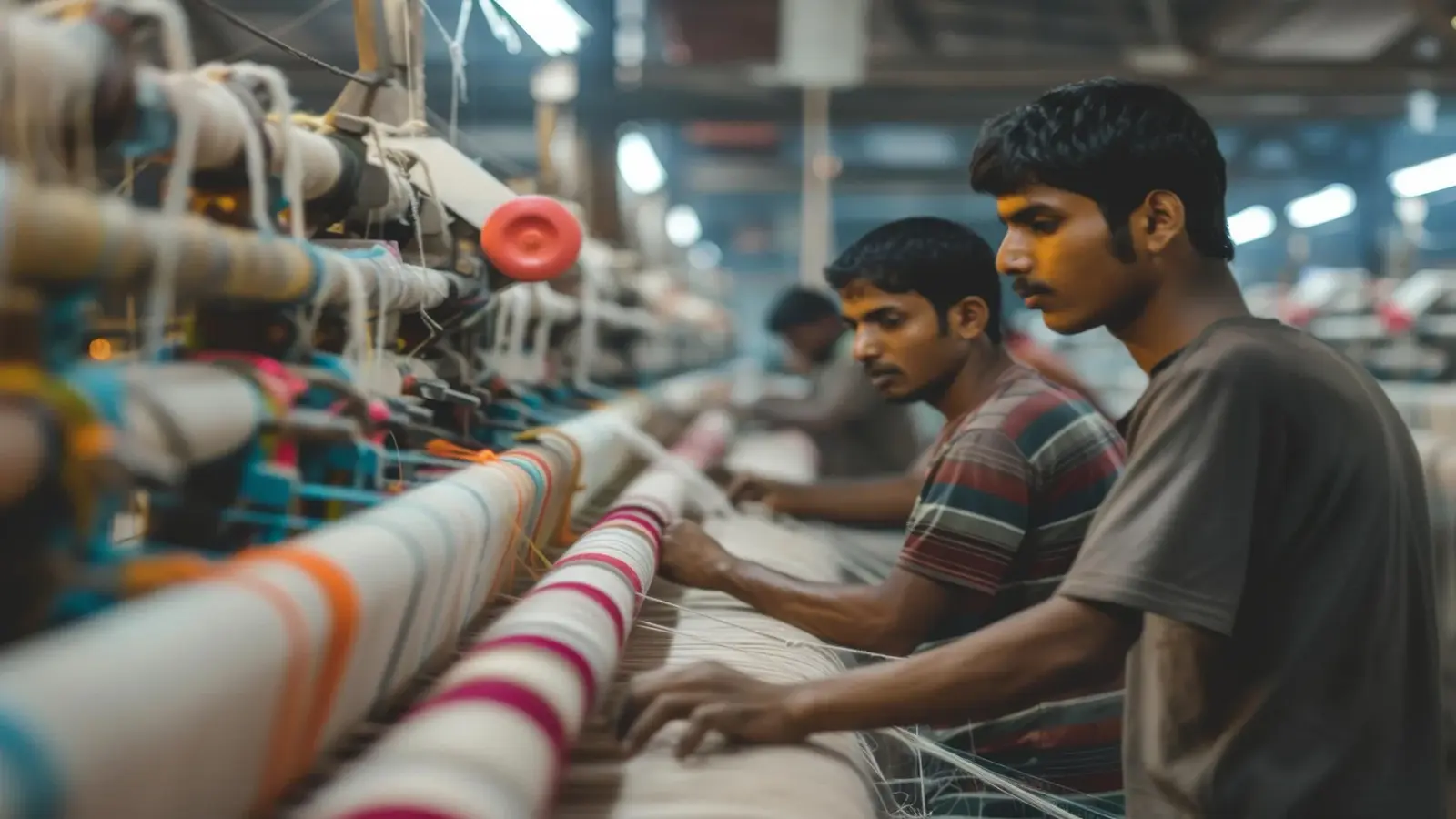
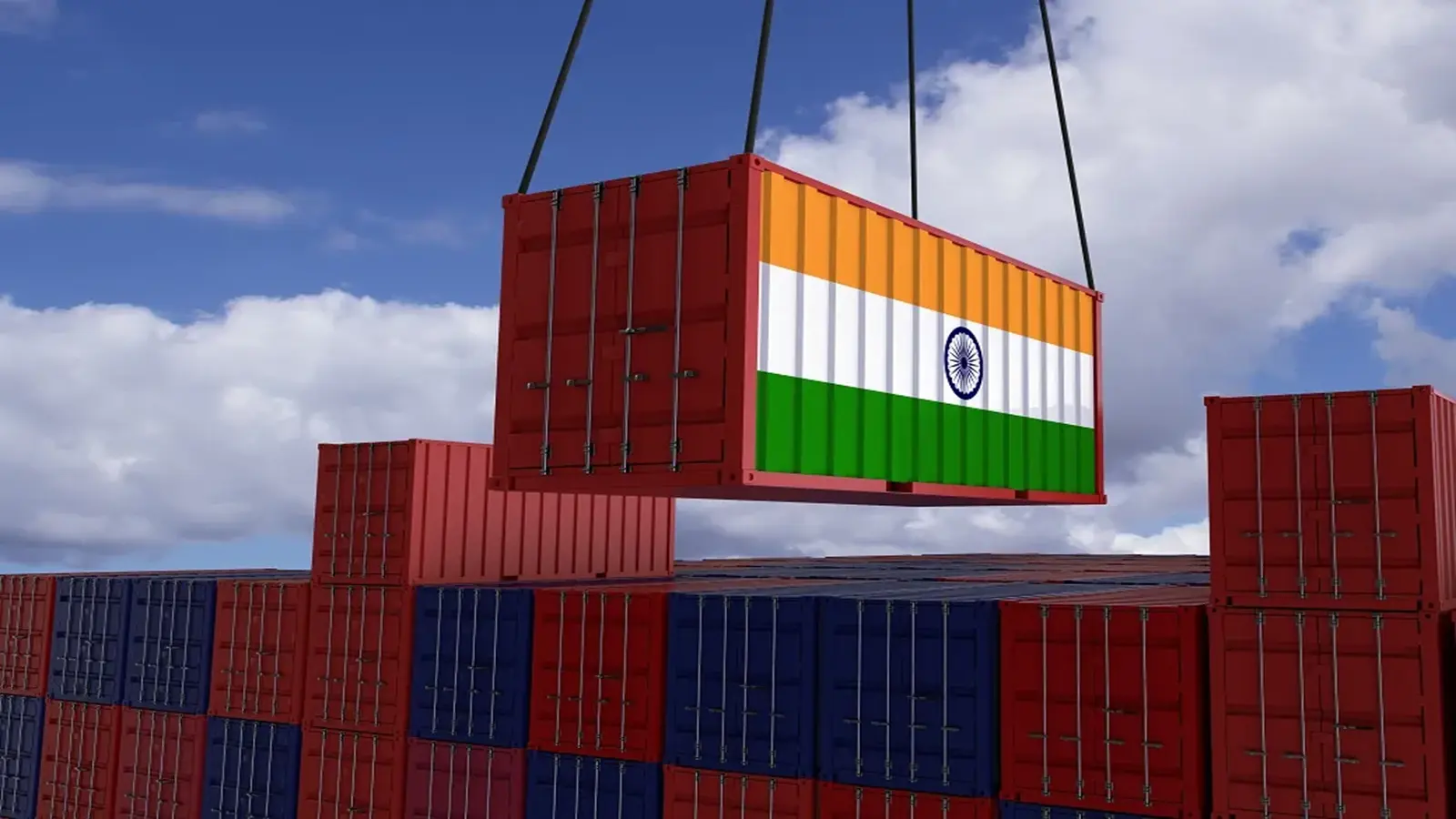
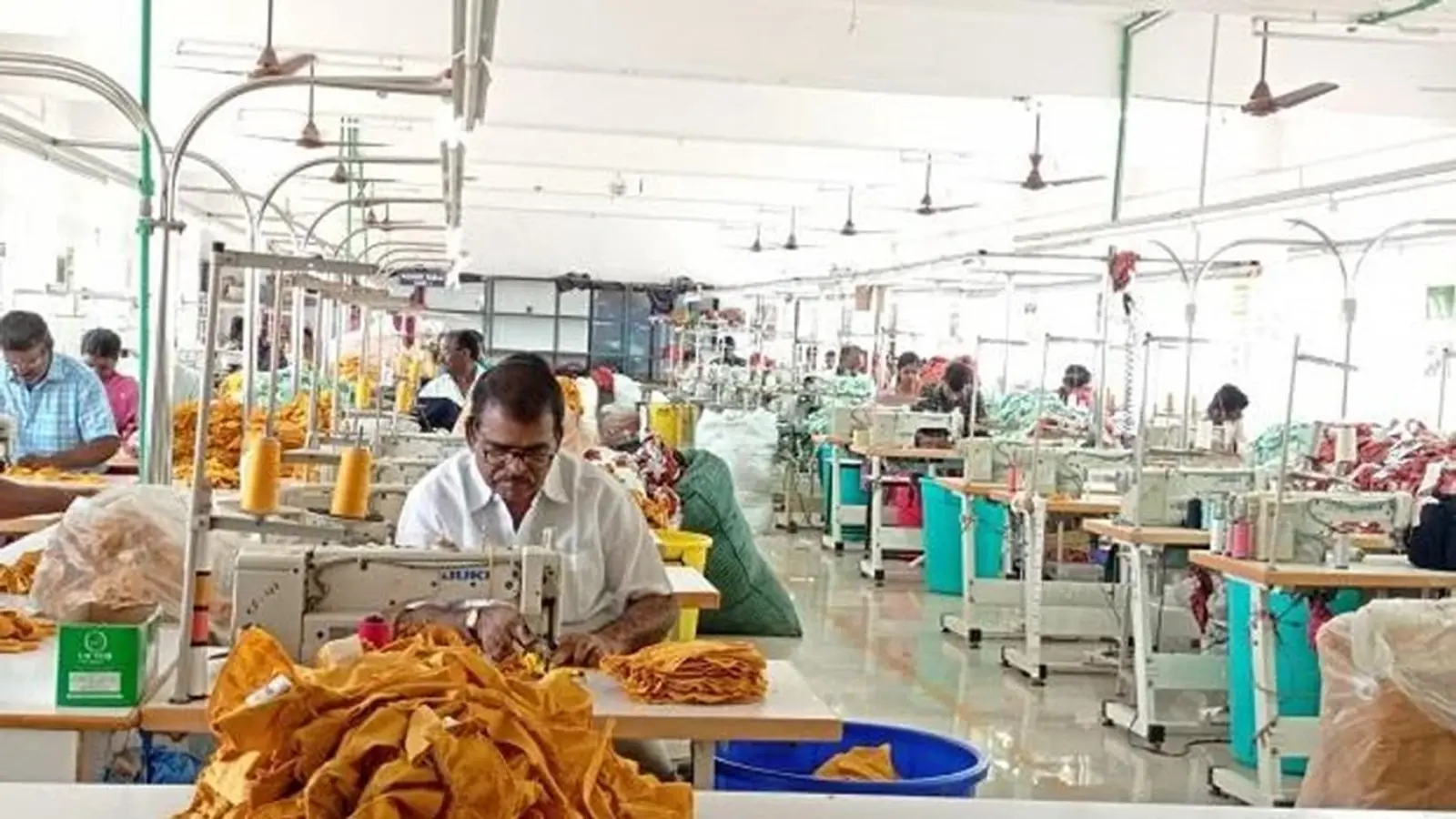
India’s textile sector is undergoing a significant transformation, emerging as a major global player thanks to strong policy direction, structural reforms, and strategic initiatives. The industry, deeply rooted in cotton fields, handlooms, power looms, and manufacturing hubs, now aims to become a trusted and sustainable global textile hub of the future.
Farmer-First Approach Strengthens Base of Textile Value Chain
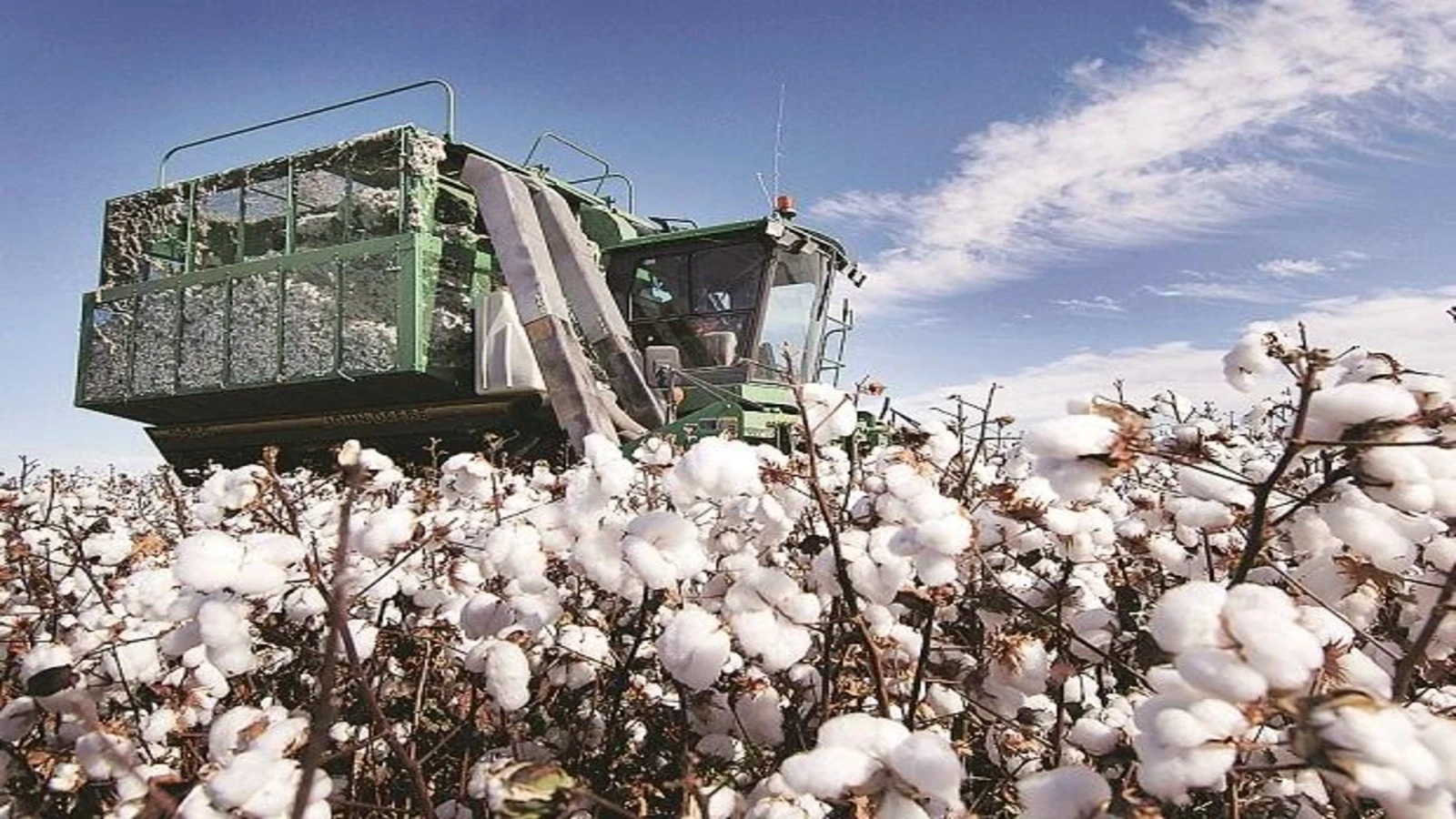
At the heart of the textile value chain are farmers, and the government has taken decisive action to shield them from market fluctuations. Between 2014 and 2024, cotton procurement by government agencies increased by 173% compared to the previous decade, providing stability and confidence to growers. Meanwhile, the Minimum Support Price (MSP) for cotton has more than doubled since 2013-14, reinforcing income security for farmers and strengthening the raw material base of the industry.
Boosting Quality with New-Age Fibres
Recognising that volume must be complemented with quality, India launched the ?2,500 crore Mission for Cotton Productivity to improve fibre standards through better seeds, scientific cultivation, and modern farm practices. Beyond traditional cotton, policymakers are encouraging cultivation and processing of new-age fibres such as flax, ramie, sisal, and milkweed, which promise novel industrial applications and job creation.
Industry Competitiveness: Duty Relief and PLI Support
To improve global cost competitiveness, the government extended the removal of import duty on cotton, helping mills access raw cotton at competitive prices and reduce production costs. This move benefits SMEs, handloom clusters, and emerging fabric makers.
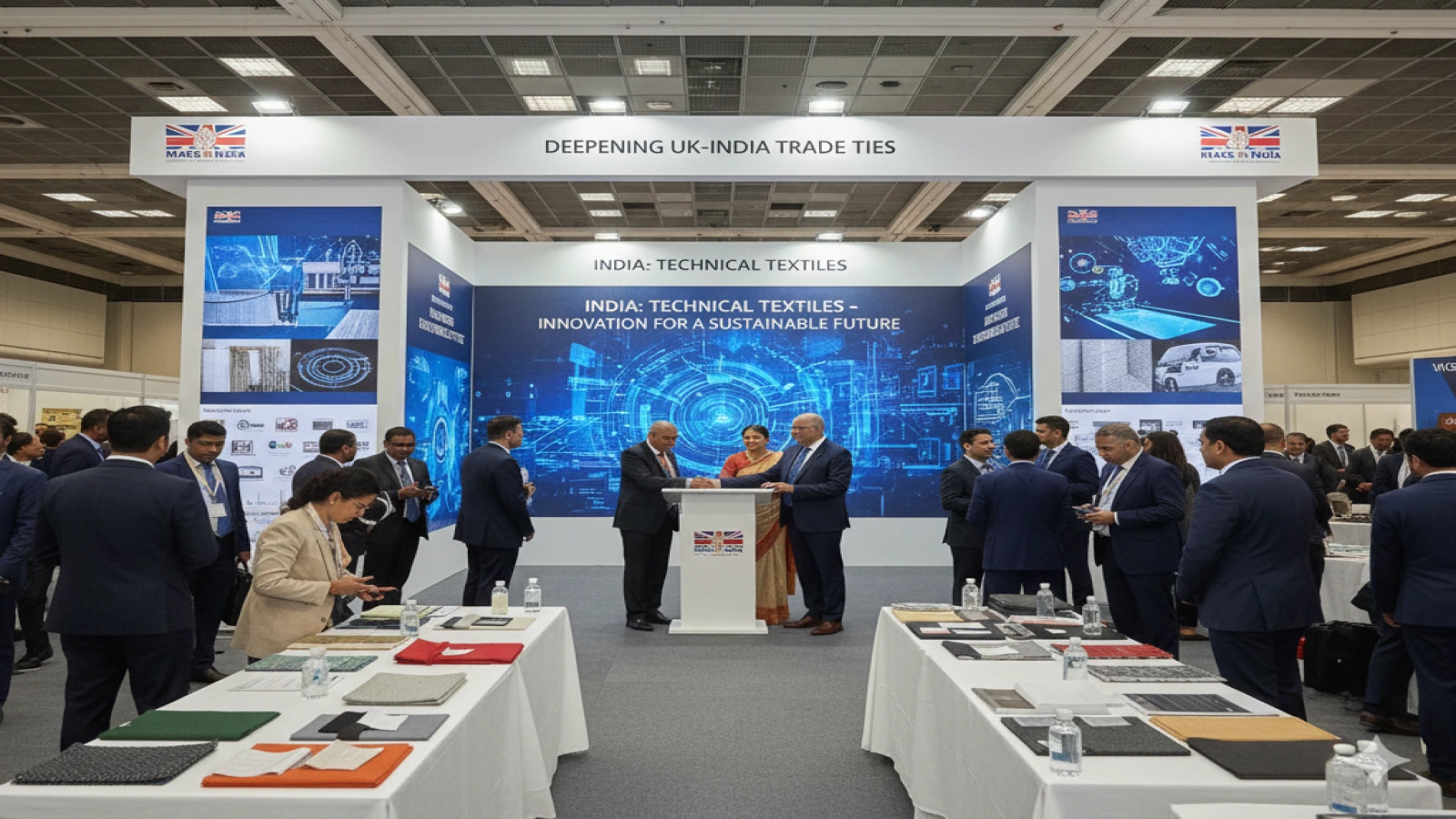
The Production-Linked Incentive (PLI) scheme for textiles has also catalysed investment into advanced factories and technology-driven manufacturing. With dozens of new applications received and investments pouring in, the scheme is expected to help India reach its ambitious goal of $12 billion in textile exports by 2030. A significant portion of PLI support is directed toward technical textiles, a high-value segment that saw exports grow over 12% last year.
Man-Made Fibre Value Chain & Relief Measures
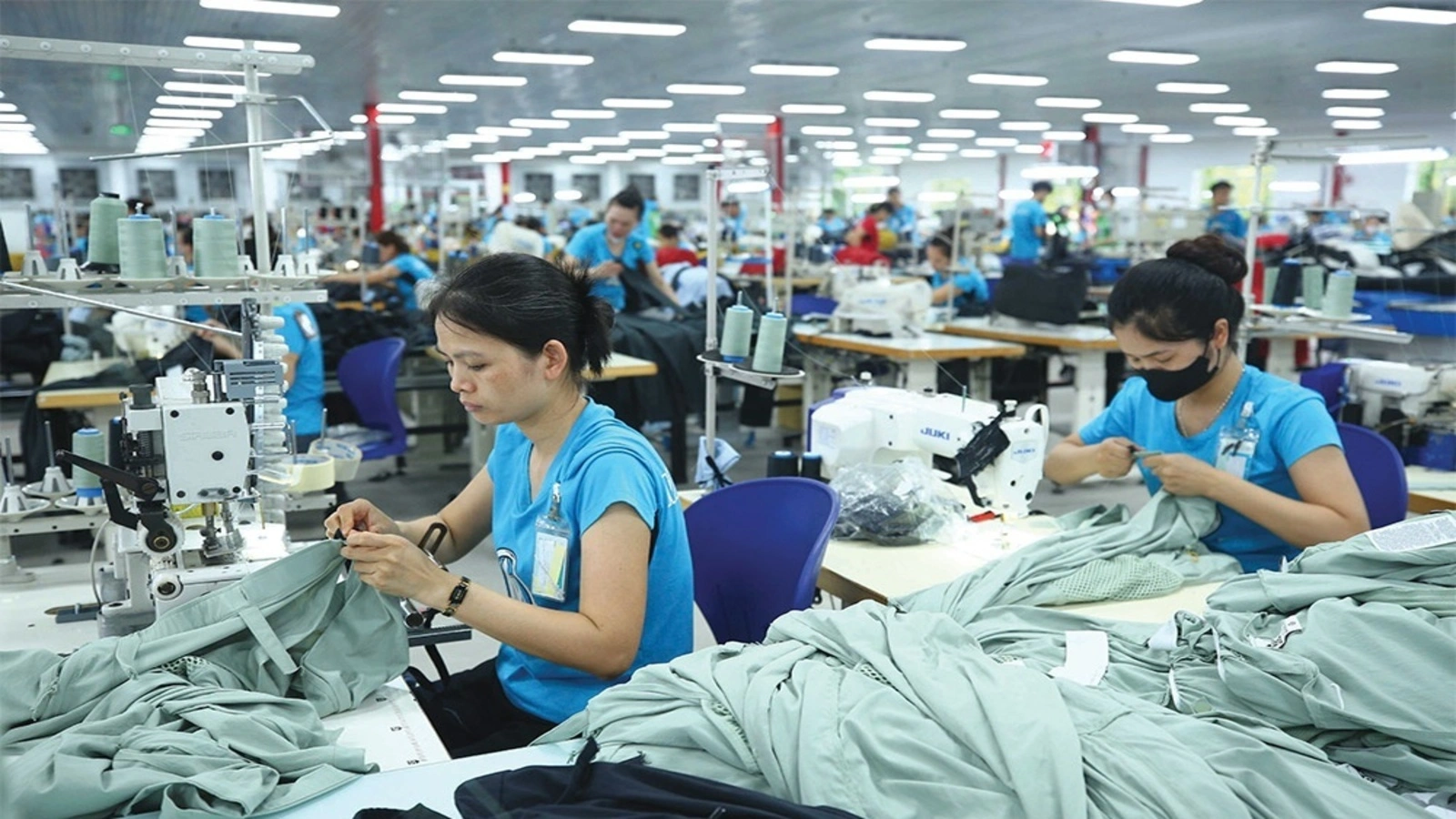
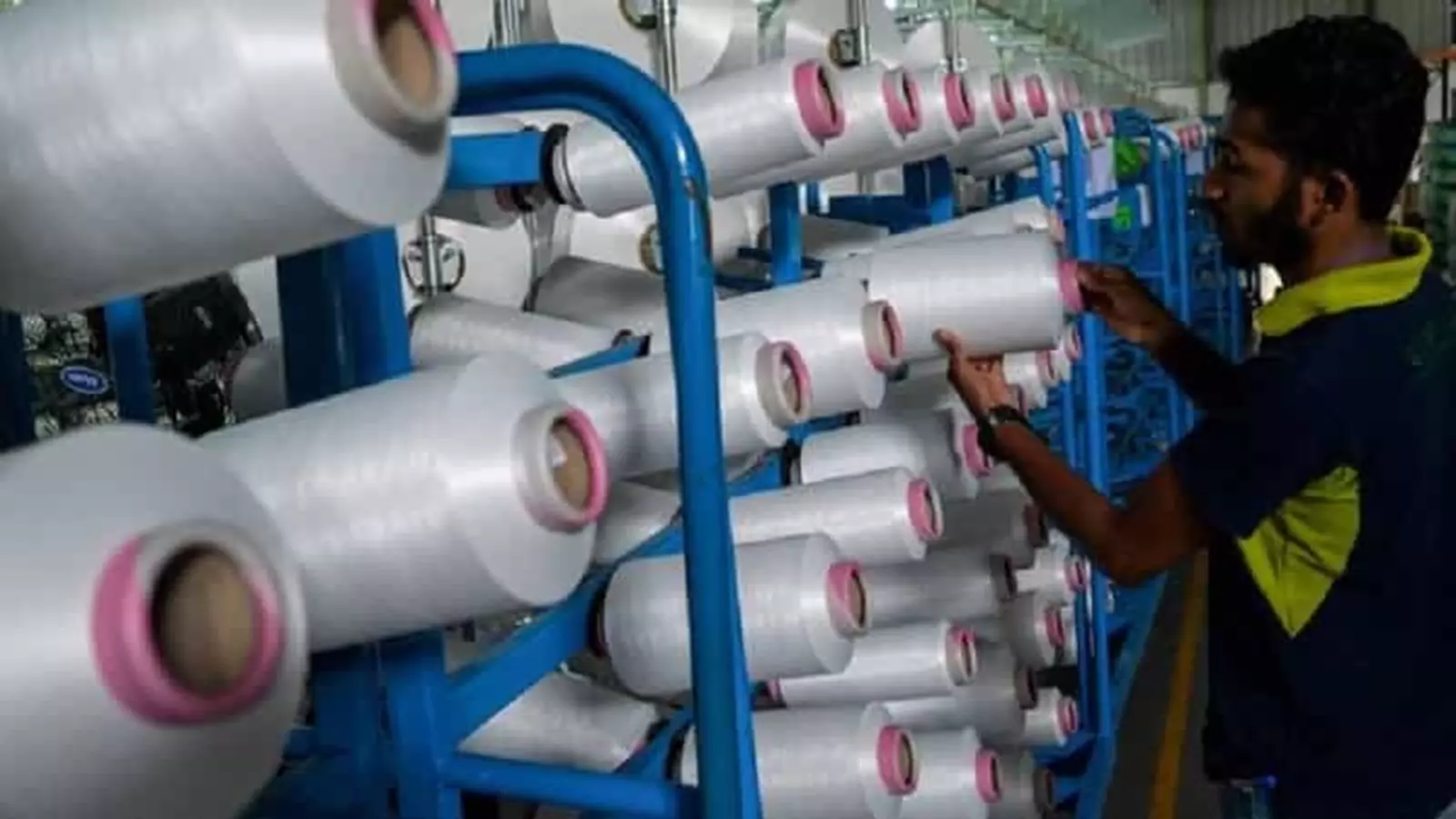
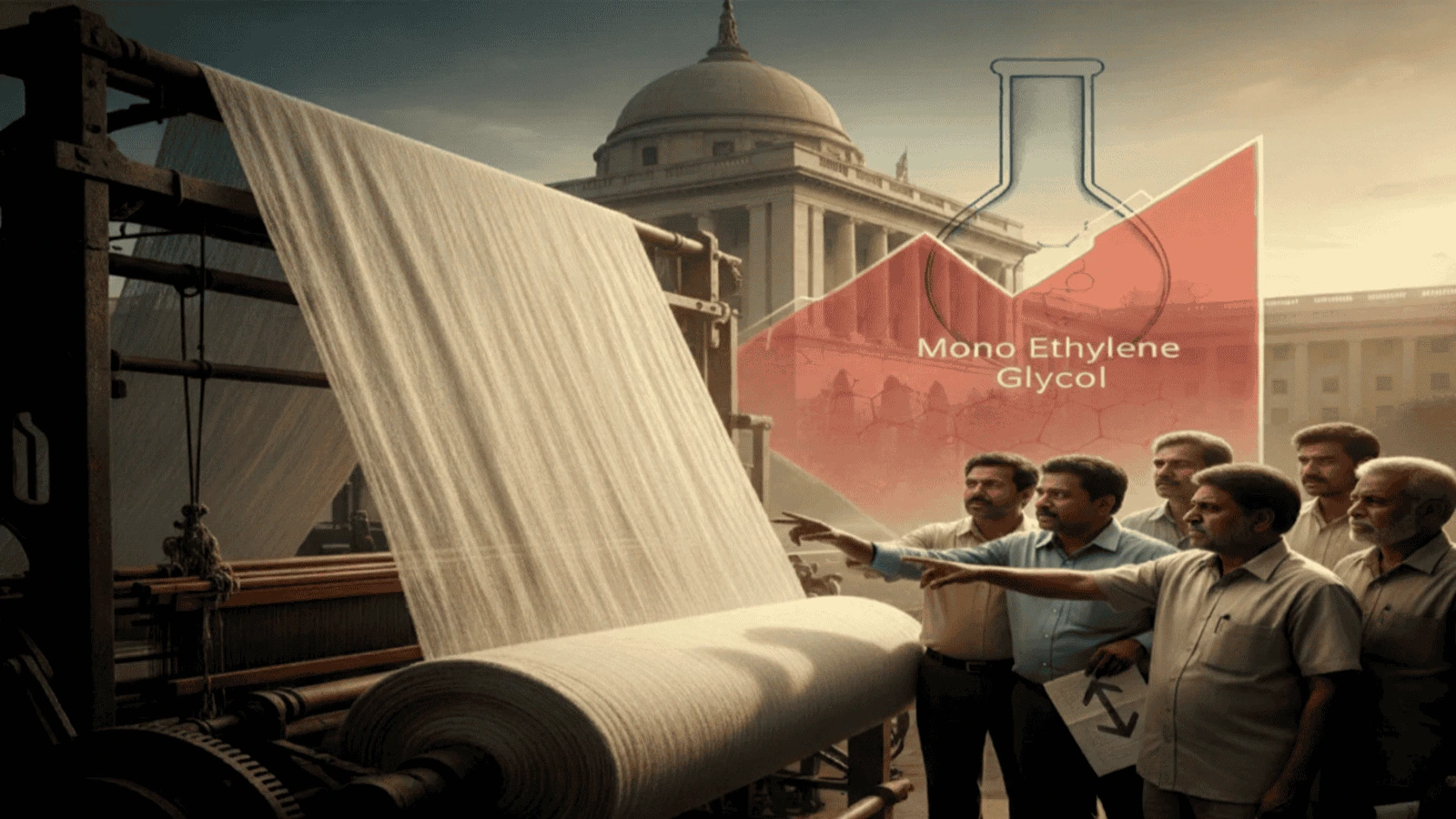
Removing Quality Control Orders (QCOs) on MEG and viscose has given the man-made fibre (MMF) value chain access to competitively priced inputs. This change helps downstream garment and fabric producers, a sector employing over 14 million workers, plan better and compete globally.
GST Reforms and Labour Protection
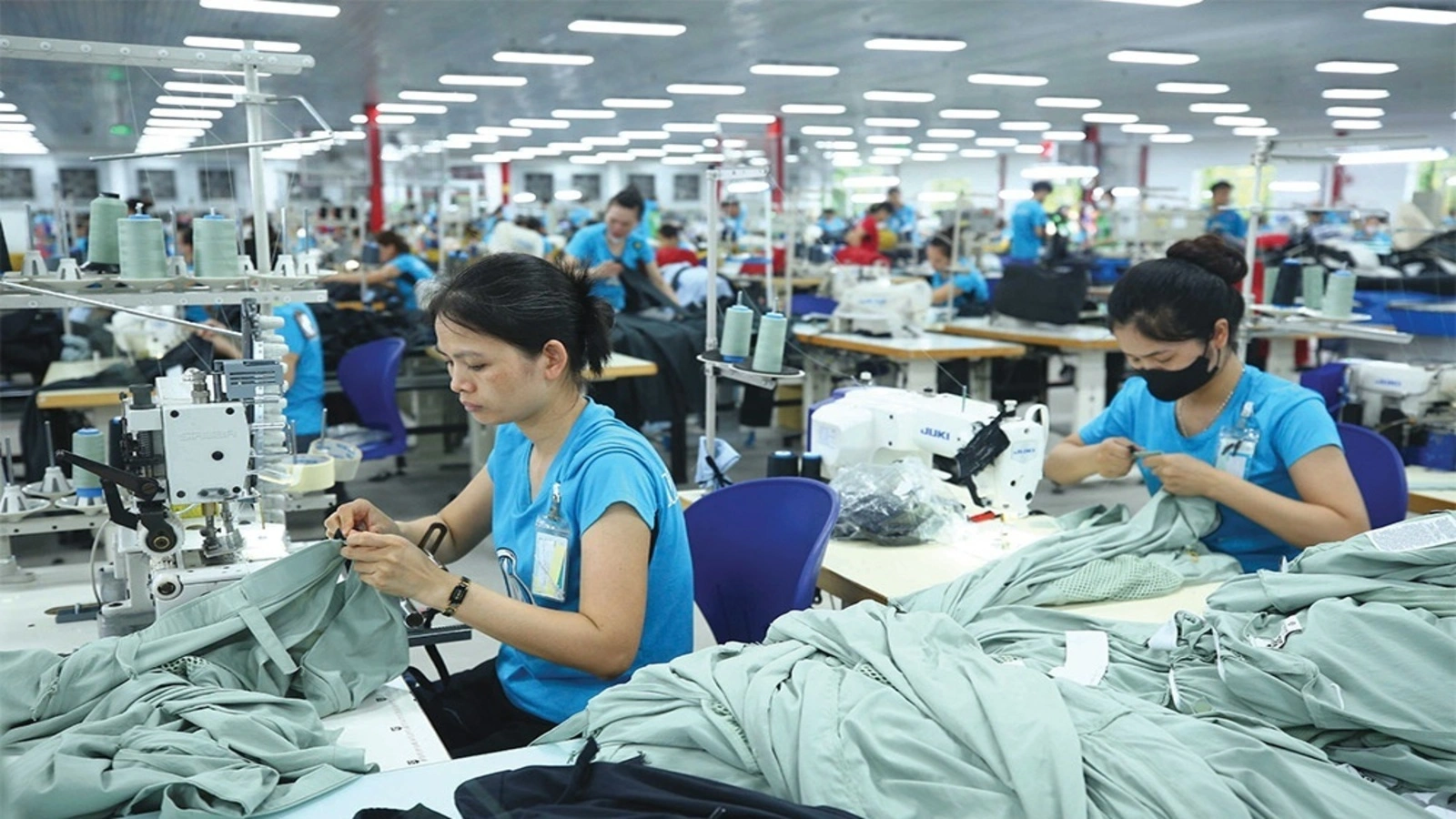
The Next Gen GST reforms addressed long-standing distortions in the duty structure. A key reform was lowering GST to 5% on apparel priced up to ?2,500, aimed at boosting demand among youth, students, and middle-class consumers. Additionally, recent labour reforms are enhancing wage security, welfare access, and working conditions for textile workers — particularly women and migrant labourers — ensuring social dignity and stability in the workforce.
PM MITRA Parks: Integrated Growth Hubs
A flagship initiative reshaping India’s textile infrastructure is the PM MITRA scheme, which is creating integrated textile parks across multiple states. These parks are expected to attract huge investment and generate over 21 lakh jobs, fostering world-class production ecosystems that integrate raw material processing, manufacturing, quality testing, and export logistics.
Expansion into New Global Markets
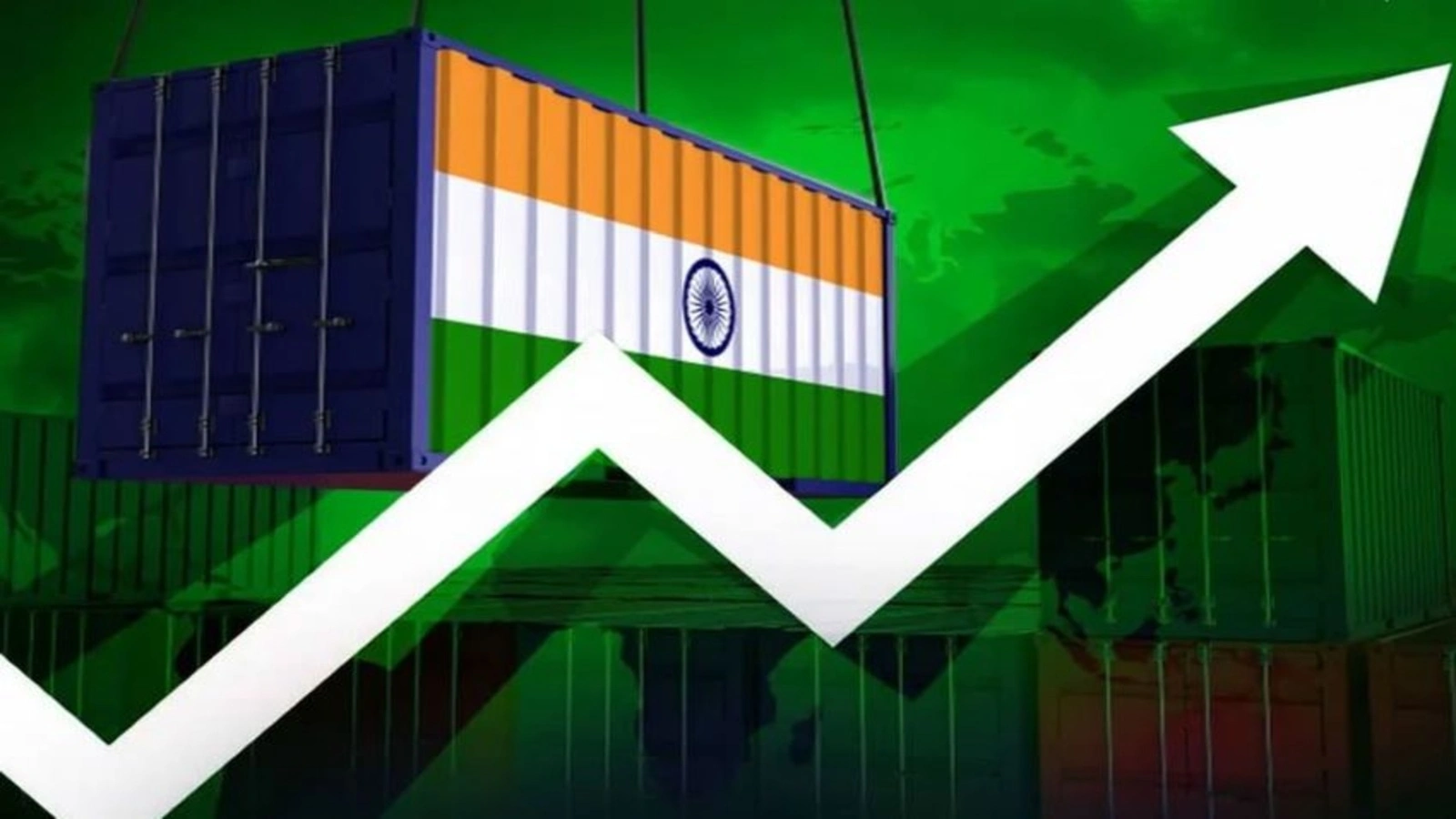
To diversify export destinations and reduce reliance on traditional markets, India has signed or entered into Free Trade Agreements (FTAs) with 27 countries. Early results include a notable rise in exports to the UK following the India–UK trade pact. Over the past year, India’s textile exports grew in over 100 countries, with double-digit increases in many emerging markets
11:12 AM, Dec 17

Rieter Issues Market Update on Completion of Barmag Acquisition
10:33 AM, Dec 20
Indian Textile Exports Weave Strong Momentum with November Surge
11:24 AM, Dec 18Industry Update


1.webp)


1.webp)

1.webp)
1.webp)
1.webp)

1.webp)

.webp)

1.webp)

1.webp)







1.webp)






1.webp)


1.webp)



Carrington Textiles Introduces Defence Stock Range for Faster Access to Military Fabrics...view more


1.webp)


1.webp)


1.webp)
1.webp)


1.jpg)


1.jpg)


_large1.jpeg)


.png)


.jpg)
.jpg)
.jpg)


1.jpeg)