

Joint Venture to Slash Cost of Textile-to-Textile (T2T) Materials with New Feedstock Innovation Centre

Share Post
In a major step for sustainable textile recycling, South Korea’s SK Chemicals has entered a strategic joint venture with China-based PET recycler Kelinle to establish a Feedstock Innovation Centre focused on textile-to-textile (T2T) recycling in Weinan, China. The initiative aims to reduce reliance on plastic bottles as a source of recycled polyester feedstock and instead use hard-to-recycle textile waste, a move expected to pave the way for more cost-effective circular supply chains in textiles.
Recycling Textile Waste into Valuable Feedstock
The planned 13,200 square-metre facility will leverage SK Chemicals’ proprietary technology to convert discarded textile materials into PET pellets. These high-quality pellets can be reused in polyester production, offering an alternative to the dominant feedstock sourced from post-consumer plastic bottles. By tapping into textile waste streams, including materials that are traditionally challenging to recycle, the venture seeks to break down historic cost barriers that have kept recycled plastics more expensive than petroleum-based alternatives.
Kelinle, with its strong local recycling network, will play a crucial role in procuring suitable feedstock for conversion and integrating SK Chemicals’ technologies in processing and production. According to Ahn Jae-hyun, CEO of SK Chemicals, this collaboration will help accelerate the transition toward circular polyester while reducing dependency on virgin raw materials.
Implications for Circular Textiles and Sustainability
The initiative highlights growing industry momentum toward closed-loop Textile Recycling, where waste materials are reintegrated into the supply chain rather than disposed of. Using textile waste, including discarded garments and fabrics that are difficult to recycle through conventional mechanical routes, as feedstock enables higher recycling yields and broader material reuse. These advances could help the industry meet evolving regulatory requirements, reduce environmental footprint, and support global sustainability targets.
Moreover, lowering the cost of recycled feedstock is seen as a key factor in wider adoption of recycled polyester in mainstream applications, from fashion and performance wear to industrial textiles, because price competitiveness with fossil-based polymers remains a major barrier.
Future Outlook
The Weinan centre is positioned to serve as a technological and commercial hub for T2T recycling innovation. By advancing processes that convert textile waste into valuable raw materials, the joint venture expects to stimulate further investments in circular technologies and contribute to broader efforts to establish economically viable recycling models across the textile value chain.
04:19 PM, Dec 15

Rieter Issues Market Update on Completion of Barmag Acquisition
10:33 AM, Dec 20

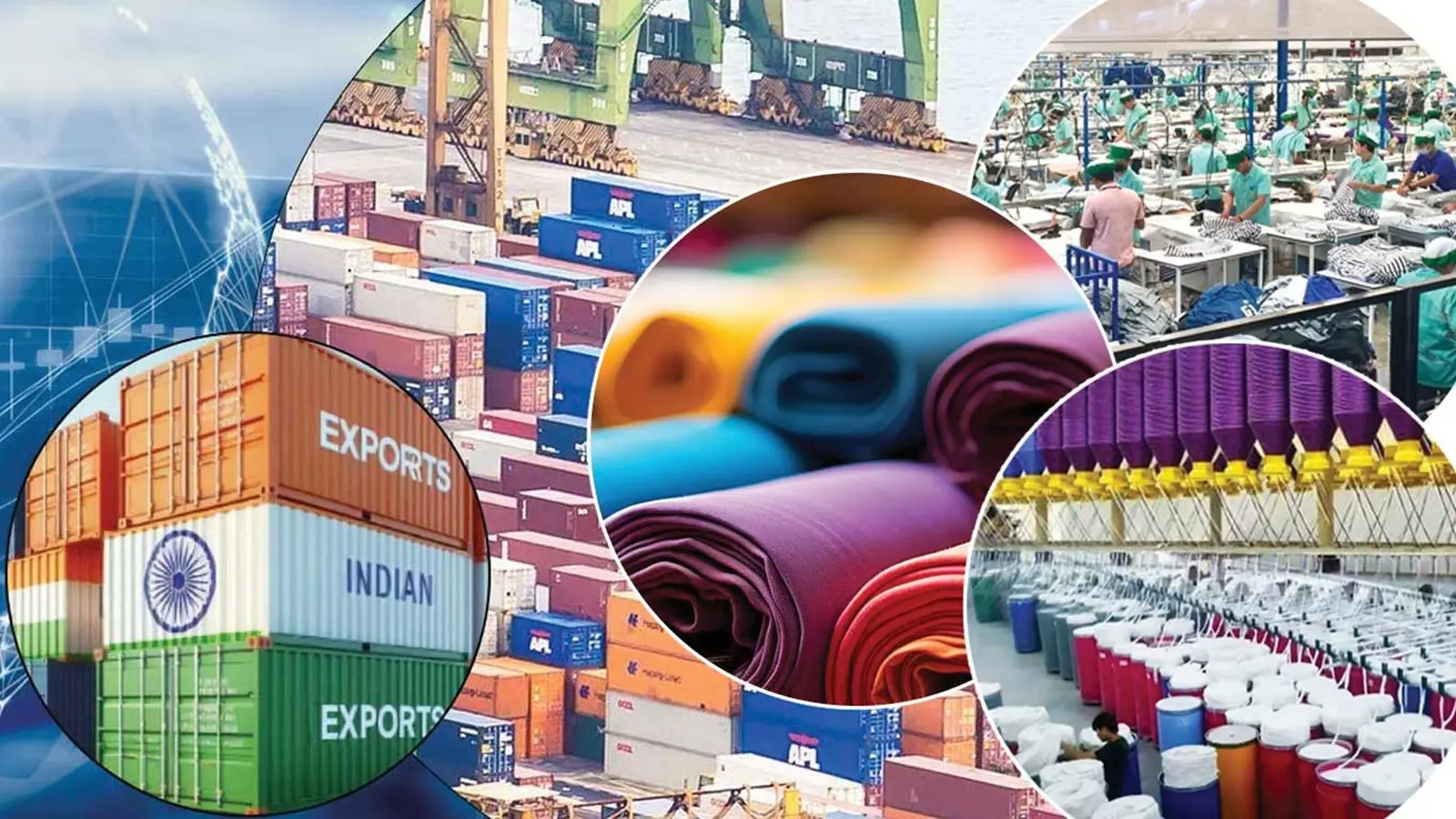
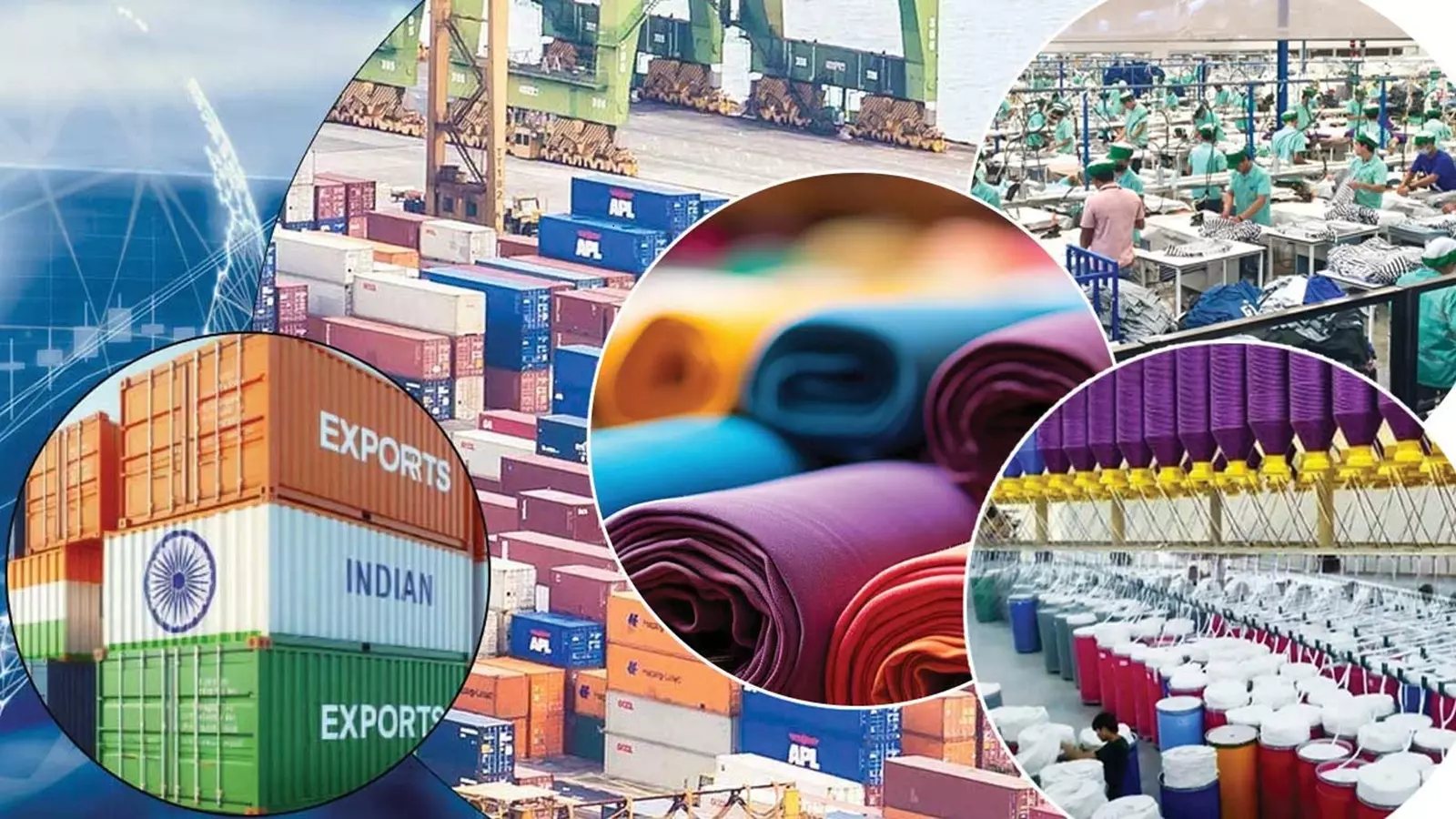
Indian Textile Exports Weave Strong Momentum with November Surge
11:24 AM, Dec 18Industry Update




1.webp)


1.webp)

1.webp)
1.webp)
1.webp)

1.webp)

.webp)

1.webp)

1.webp)






1.webp)










1.webp)


1.webp)



Carrington Textiles Introduces Defence Stock Range for Faster Access to Military Fabrics...view more


1.webp)


1.webp)


1.webp)
1.webp)


1.jpg)


1.jpg)


_large1.jpeg)


.png)


.jpg)
.jpg)
.jpg)


1.jpeg)