

Exporters Under Pressure as RoDTEP Refunds Slashed by Half
.webp)
Share Post
Policy Shift Sends Shockwaves through Textile and Auto Sectors
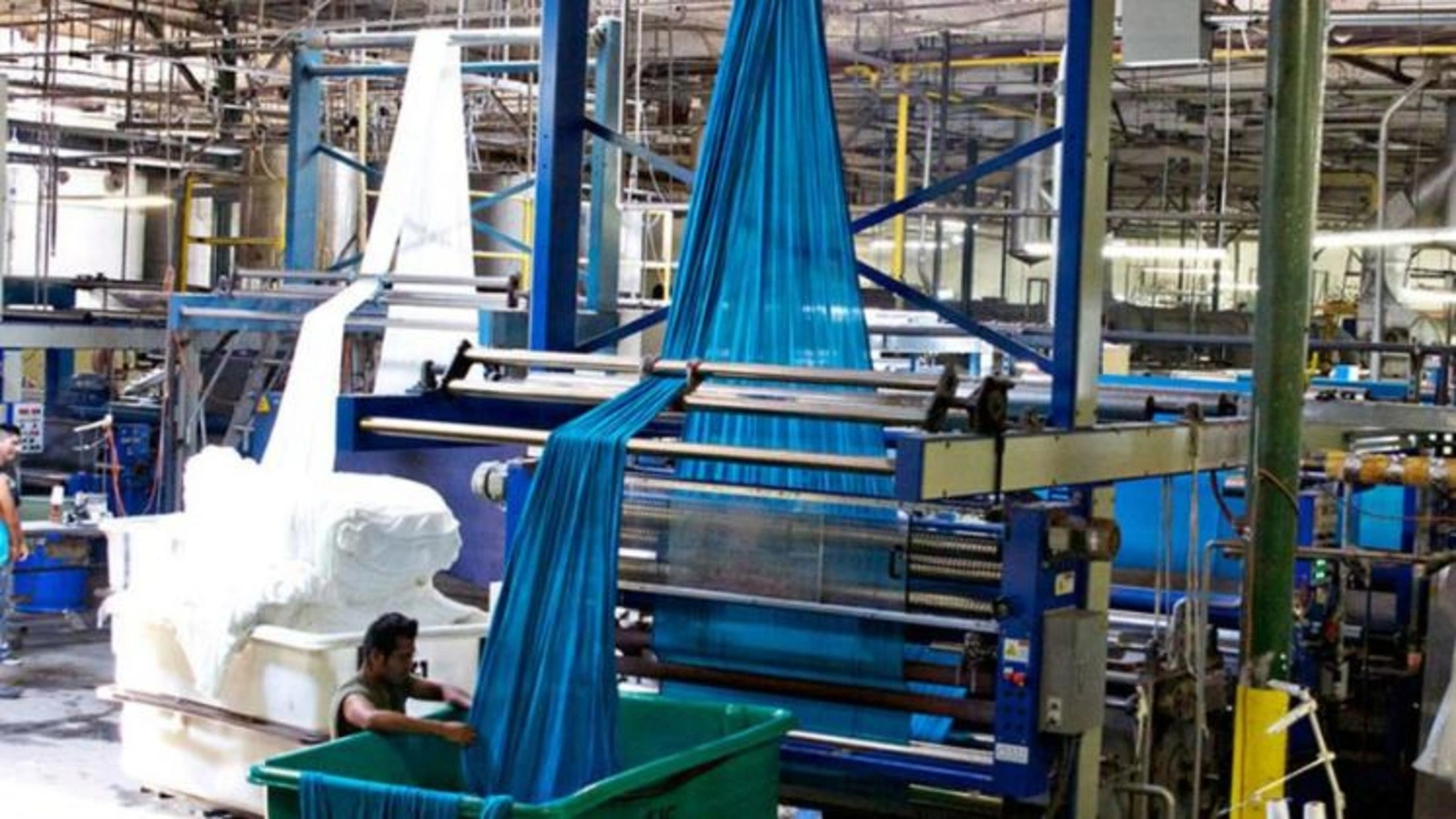
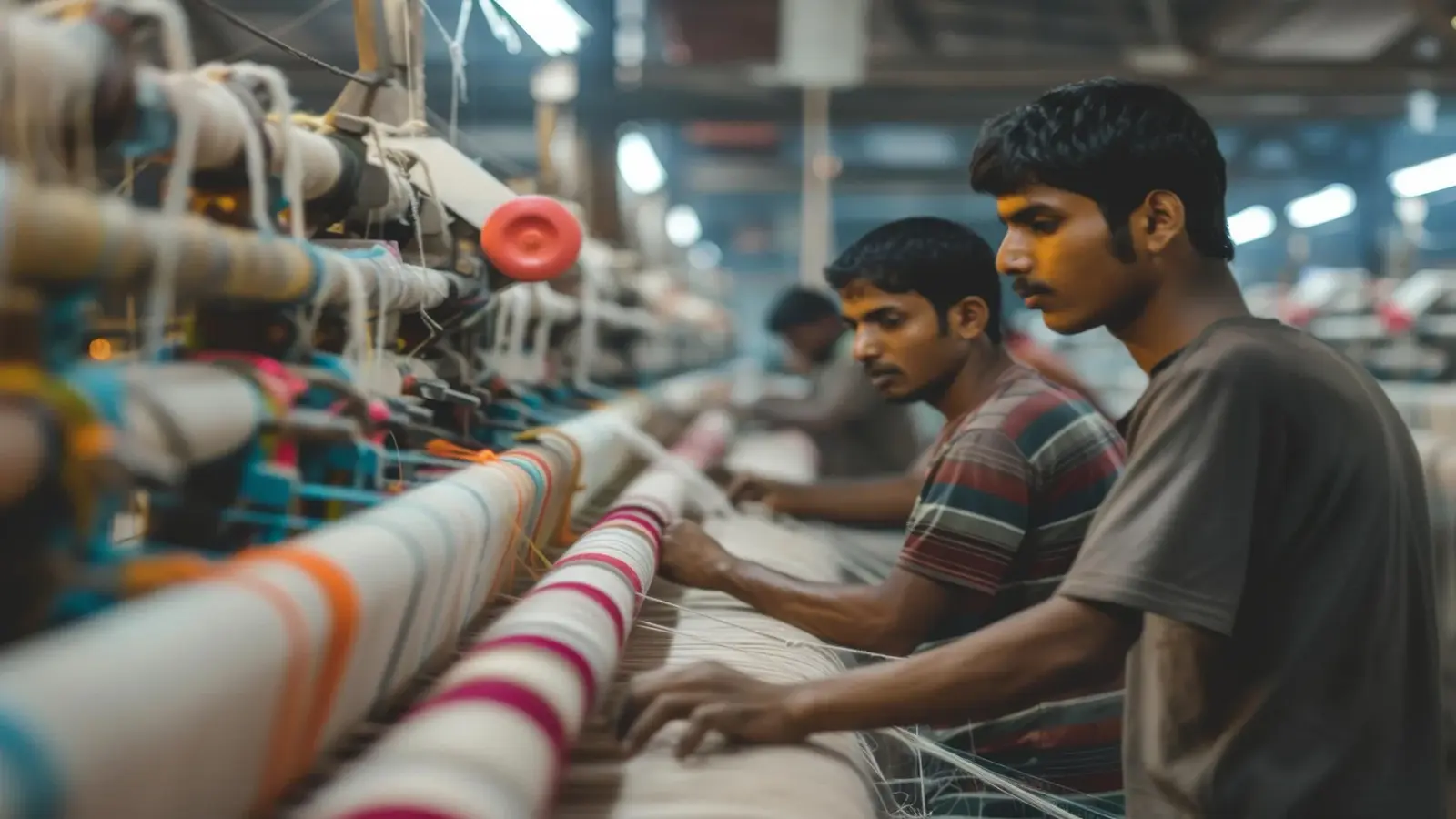
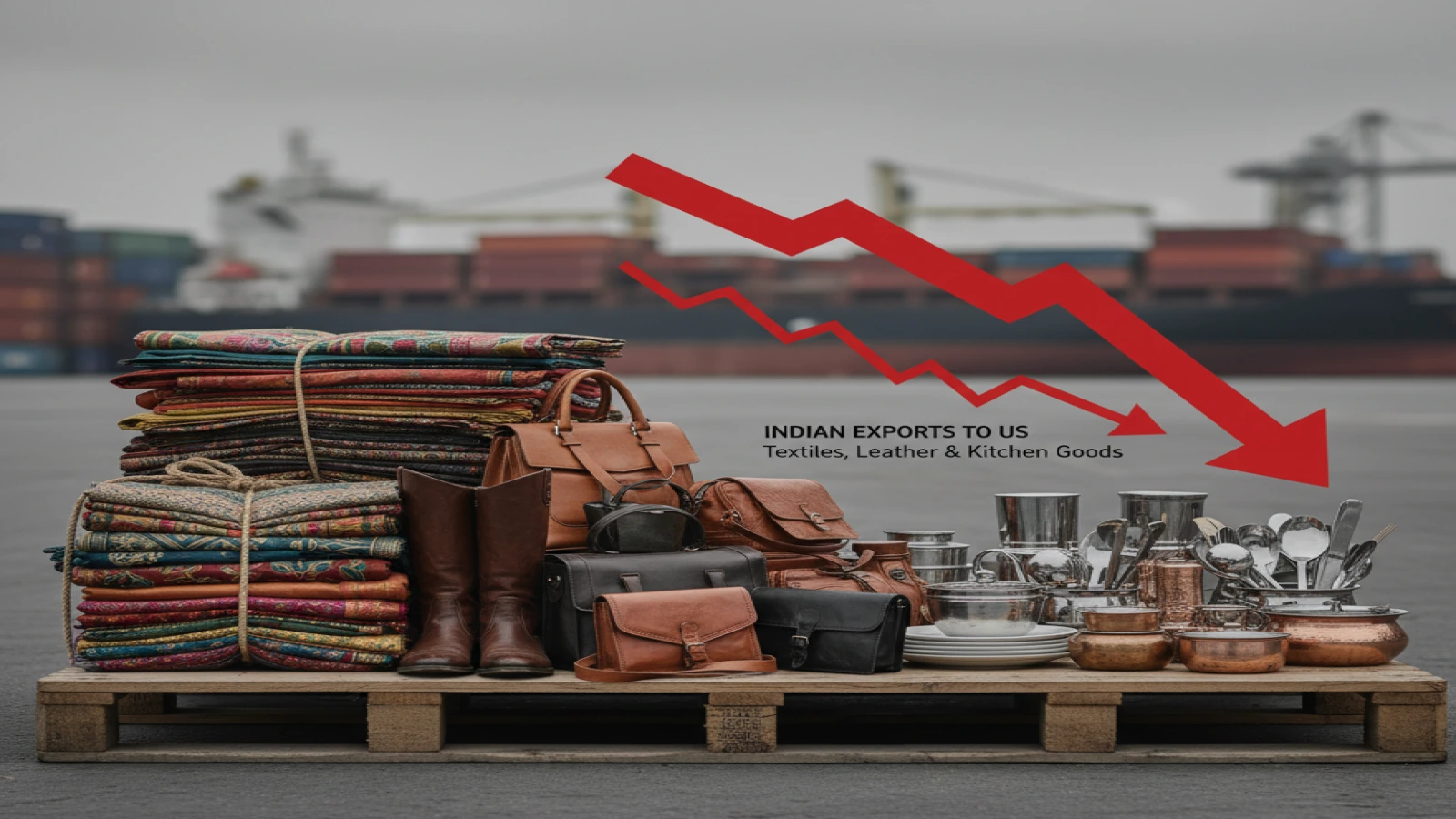
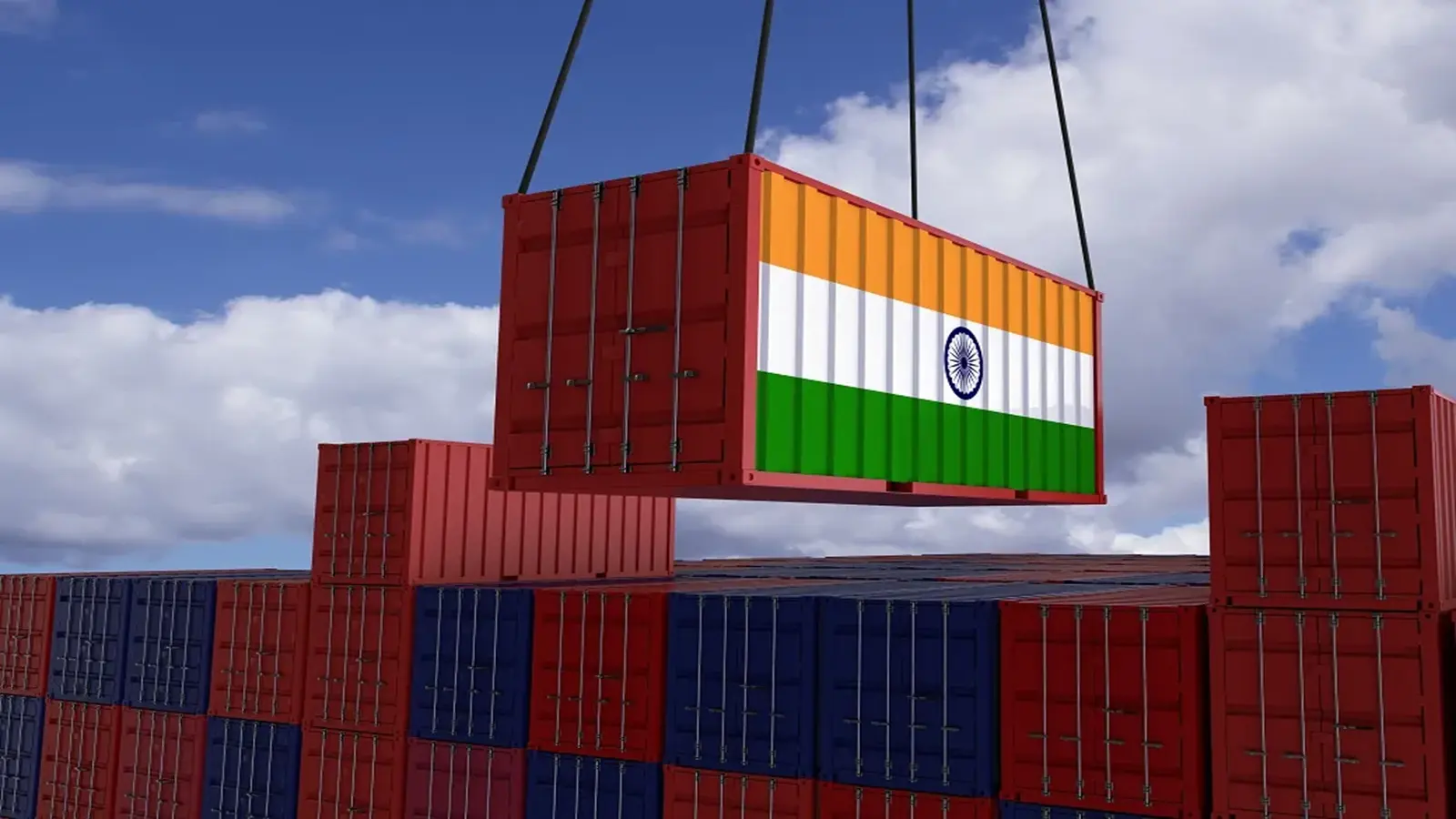
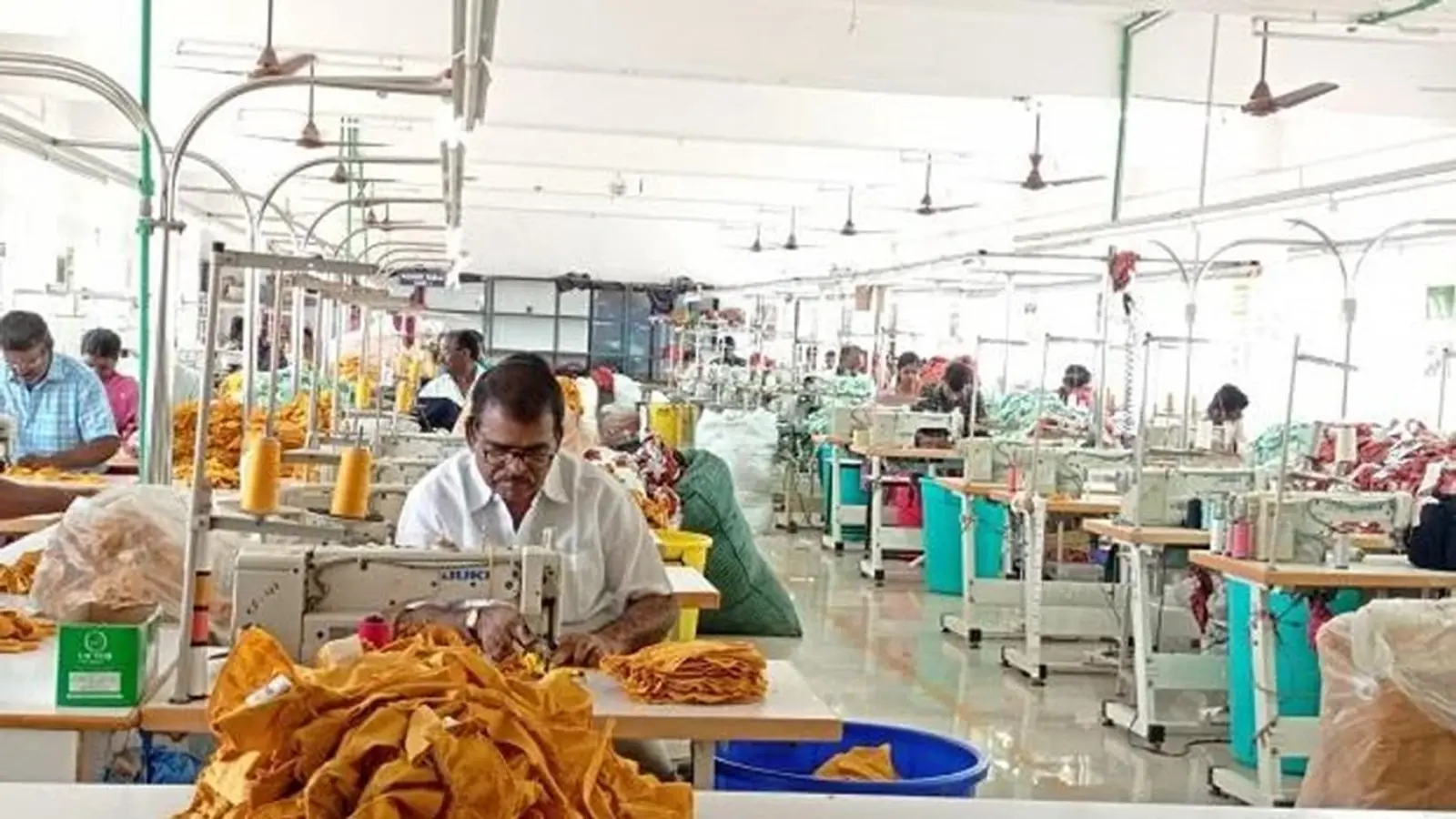
India’s textile and automobile exporters are preparing for a period of financial strain after the government announced a 50 percent reduction in benefits under the Remission of Duties and Taxes on Exported Products (RoDTEP) scheme. The move, unveiled earlier this week, has triggered concern across key export-oriented sectors that rely heavily on the incentive to offset embedded taxes and remain globally competitive.
The decision is expected to directly impact cotton textiles, yarn manufacturers and two-wheeler exporters segments already navigating volatile global demand and pricing pressures. Industry leaders warn that the abrupt revision could erode margins on ongoing contracts that were priced assuming earlier refund rates.
Exporters argue that RoDTEP has been a crucial mechanism to neutralise domestic levies not otherwise refunded, helping Indian products compete in cost-sensitive global markets. A reduction in the refund rate, they say, disrupts that balance.
Margin Compression and Working Capital Strain
The immediate fallout of the policy change is likely to be felt in two critical areas:
- Profit margins: Lower refunds translate into higher effective costs per shipment.
- Working capital: Exporters may face liquidity stress as anticipated reimbursements shrink.
- Pricing flexibility: Contracts already signed at previous incentive assumptions may result in losses.
- Export growth momentum: Reduced competitiveness could slow order inflows.
Textile exporters, particularly those dealing in cotton yarn and fabrics, operate in a highly price-sensitive environment. Even minor cost escalations can shift buyer preferences toward competing countries. Similarly, two-wheeler manufacturers catering to emerging markets may find it difficult to absorb the reduced incentive without passing costs to overseas distributors.
Industry bodies are now urging the government to reconsider or restore earlier RoDTEP rates, warning that sustained reductions could dampen export recovery efforts at a time when global trade remains fragile.
Balancing Fiscal Prudence with Export Ambitions
While the government’s move may reflect fiscal rationalisation or recalibration of incentive frameworks, exporters believe timing is critical. With geopolitical tensions, freight volatility and currency fluctuations already influencing trade flows, a sudden reduction in support adds another layer of uncertainty.
The broader concern lies in maintaining India’s export competitiveness. As rival nations continue offering targeted incentives to support their industries, Indian exporters fear losing market share in segments where cost leadership plays a decisive role.
For now, companies are recalculating projections, renegotiating contracts where possible, and appealing for policy relief. The coming months will determine whether the reduced RoDTEP rates prove to be a temporary adjustment or a structural shift in India’s export incentive landscape.
11:38 AM, Feb 25
Source : Exporters Under Pressure as RoDTEP Refunds Slashed by Half

.webp)
.webp)
Industry Update

1.webp)

1.webp)

1.webp)
1.webp)

1.webp)
1.webp)


India Expands ₹10,683 Crore Textile PLI Scheme to Boost MMF and Technical Textile Growth...view more

1.webp)
1.webp)
1.webp)
1.webp)
1.webp)

1.webp)





1.webp)


1.webp)
1.webp)


1.webp)


Uttar Pradesh’s New PM MITRA Textile Park Aims to Transform State into Major Textile Hub...view more


1.webp)


1.webp)




1.webp)


1.webp)
1.webp)
1.webp)


1.webp)
1.webp)
1.webp)
1.webp)


1.webp)
1.webp)


1.webp)


1.webp)
1.webp)


1.webp)

1.webp)


1.webp)


1.webp)
1.webp)
1.webp)


Kolkata Set to Become Textile Sourcing Hub as YARNEX and TEXINDIA Return in January 2026...view more
1.webp)
1.webp)

1.webp)


1.webp)
1.webp)
1.webp)
1.webp)
1.webp)
1.webp)

1.webp)

1.webp)
1.webp)


1.webp)


1.webp)


1.webp)



1.webp)


1.webp)

1.webp)
1.webp)

1.webp)

1.webp)

.webp)

1.webp)

1.webp)









1.webp)








1.webp)


1.webp)



Carrington Textiles Introduces Defence Stock Range for Faster Access to Military Fabrics...view more


1.webp)


1.webp)


1.webp)
1.webp)


1.jpg)


1.jpg)


_large1.jpeg)


.png)


.jpg)
.jpg)
.jpg)


1.jpeg)