

War Disruptions Fuel India’s Yarn Export Boom to China Amid Global Supply Crunch
.webp)
Share Post
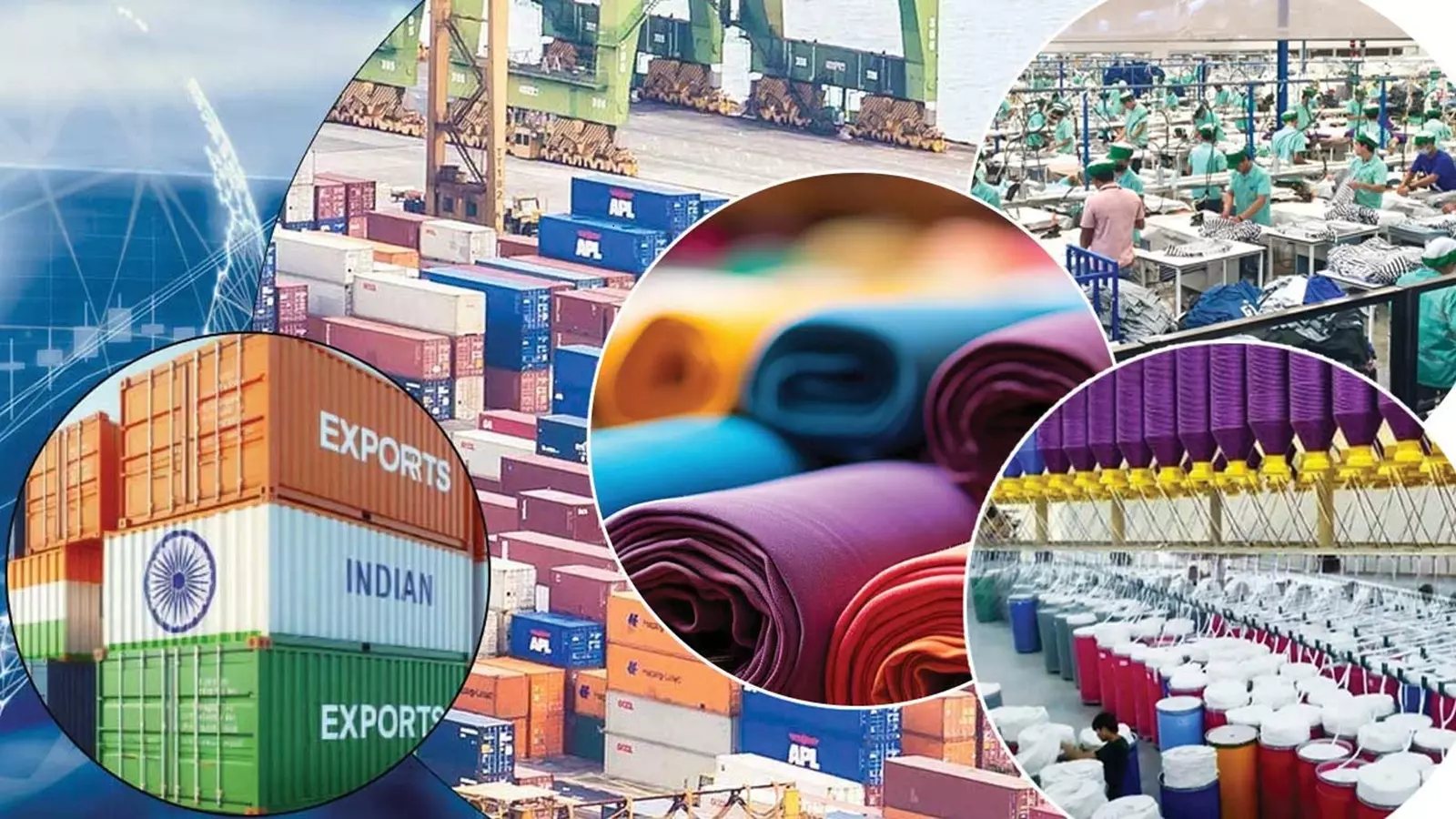
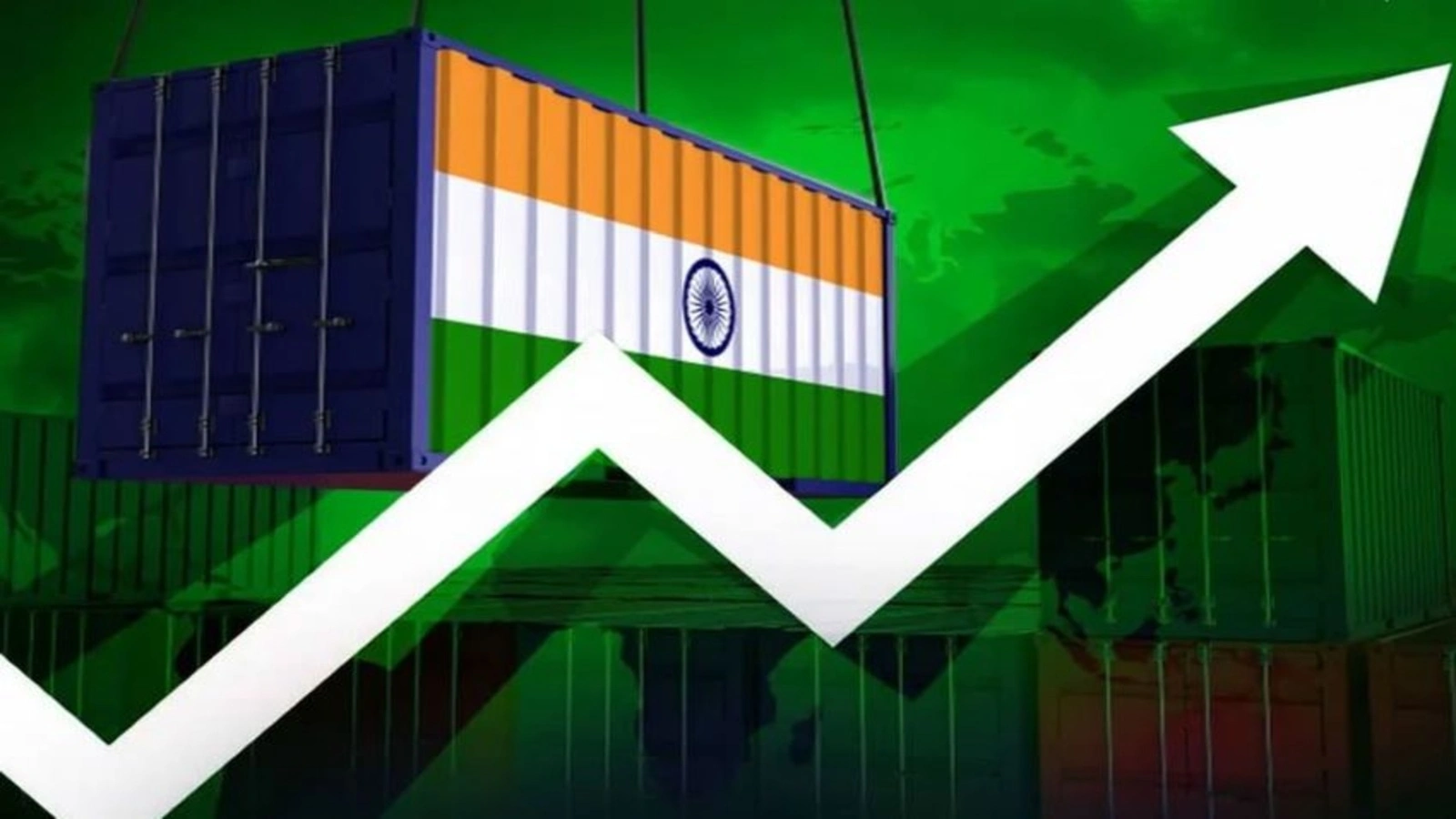
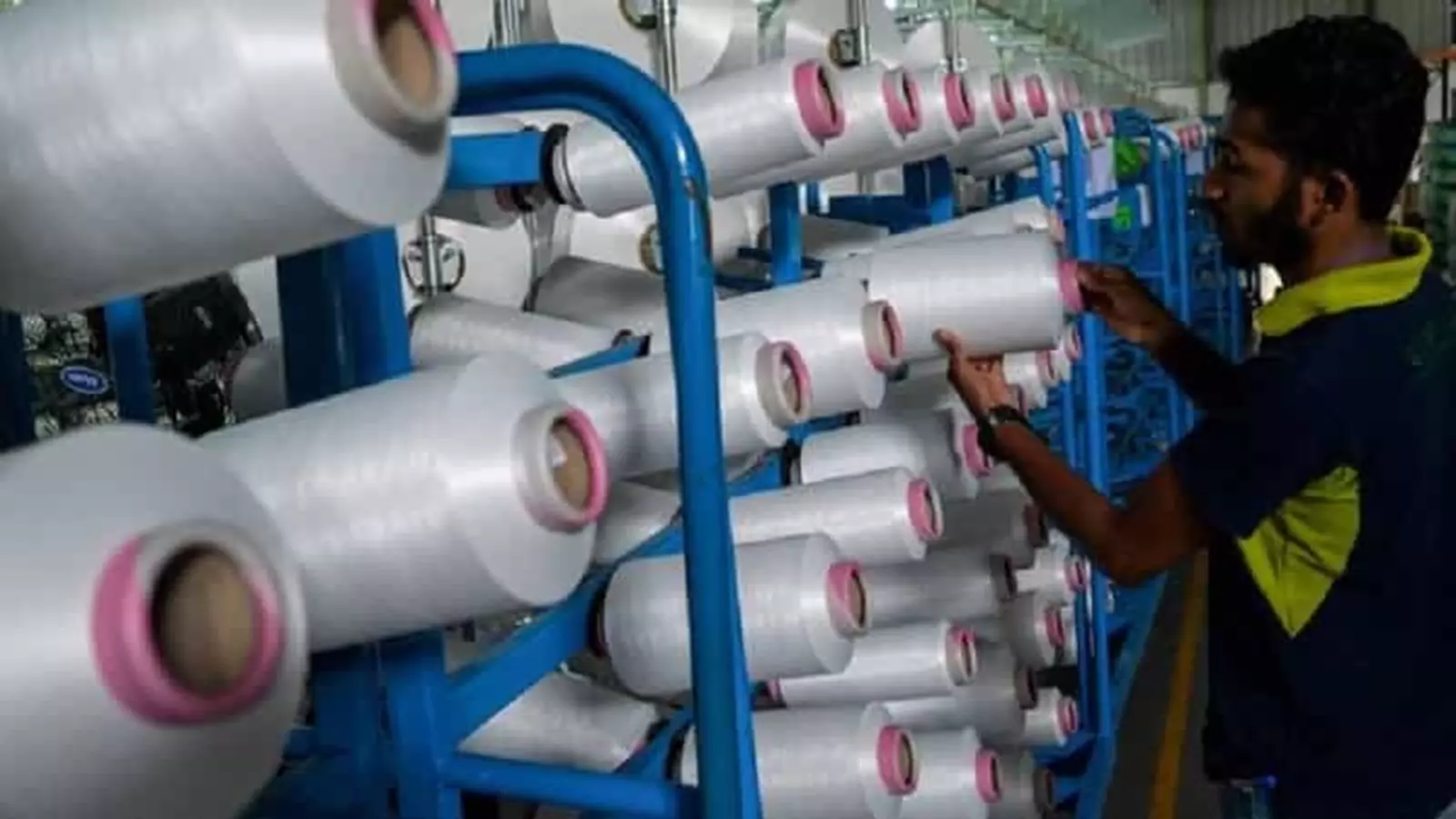
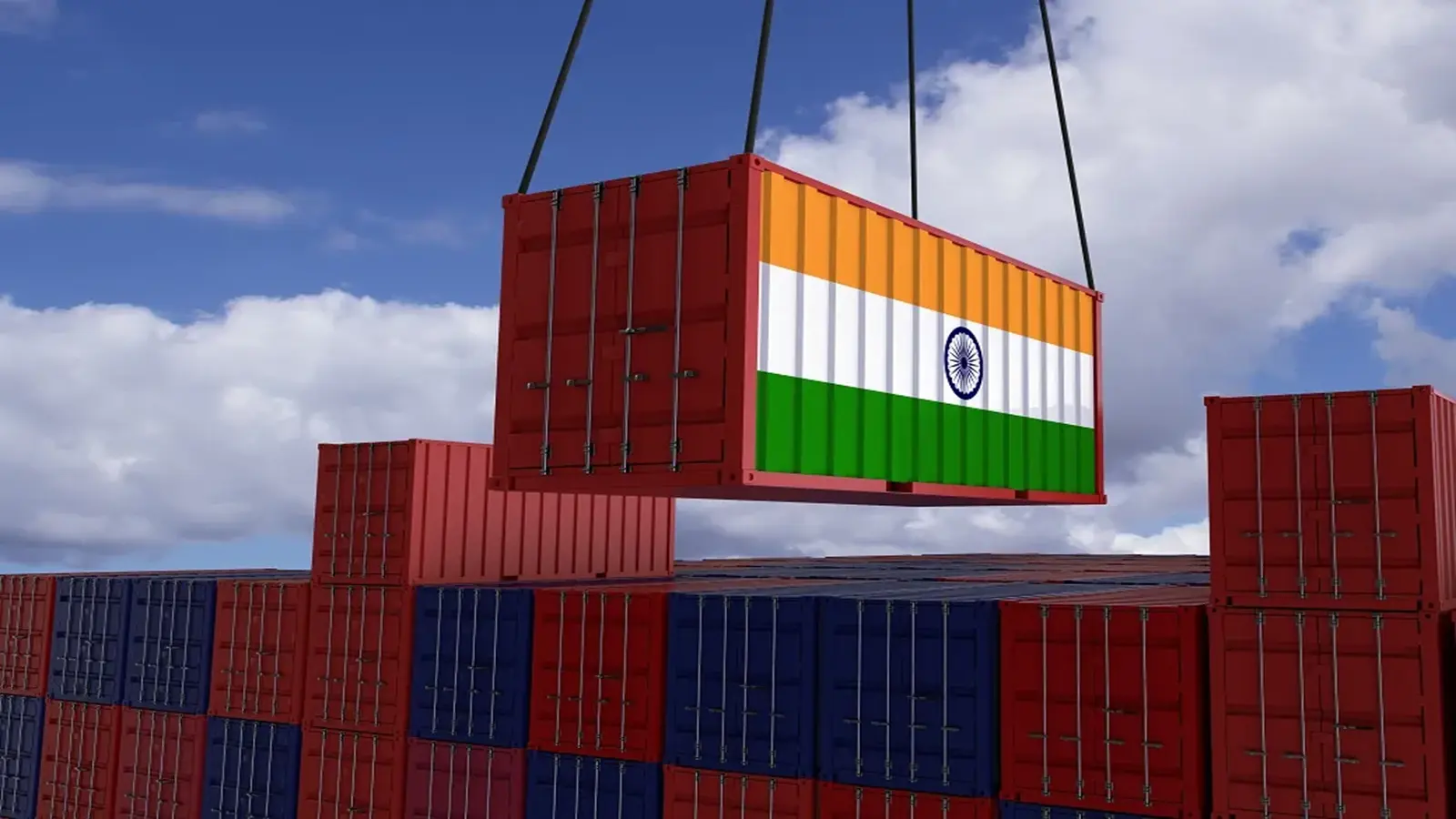
The ongoing conflict in the Middle East has disrupted global trade routes, creating widespread challenges for industries dependent on stable logistics and supply chains. Indian manufacturing sectors have been affected by rising fuel costs and shipment delays. However, amid this disruption, India’s cotton yarn industry has witnessed a significant surge in demand, particularly from China. As supply chains from major exporters like the United States and Brazil face delays, China has increasingly turned to India as a reliable and geographically closer sourcing destination.
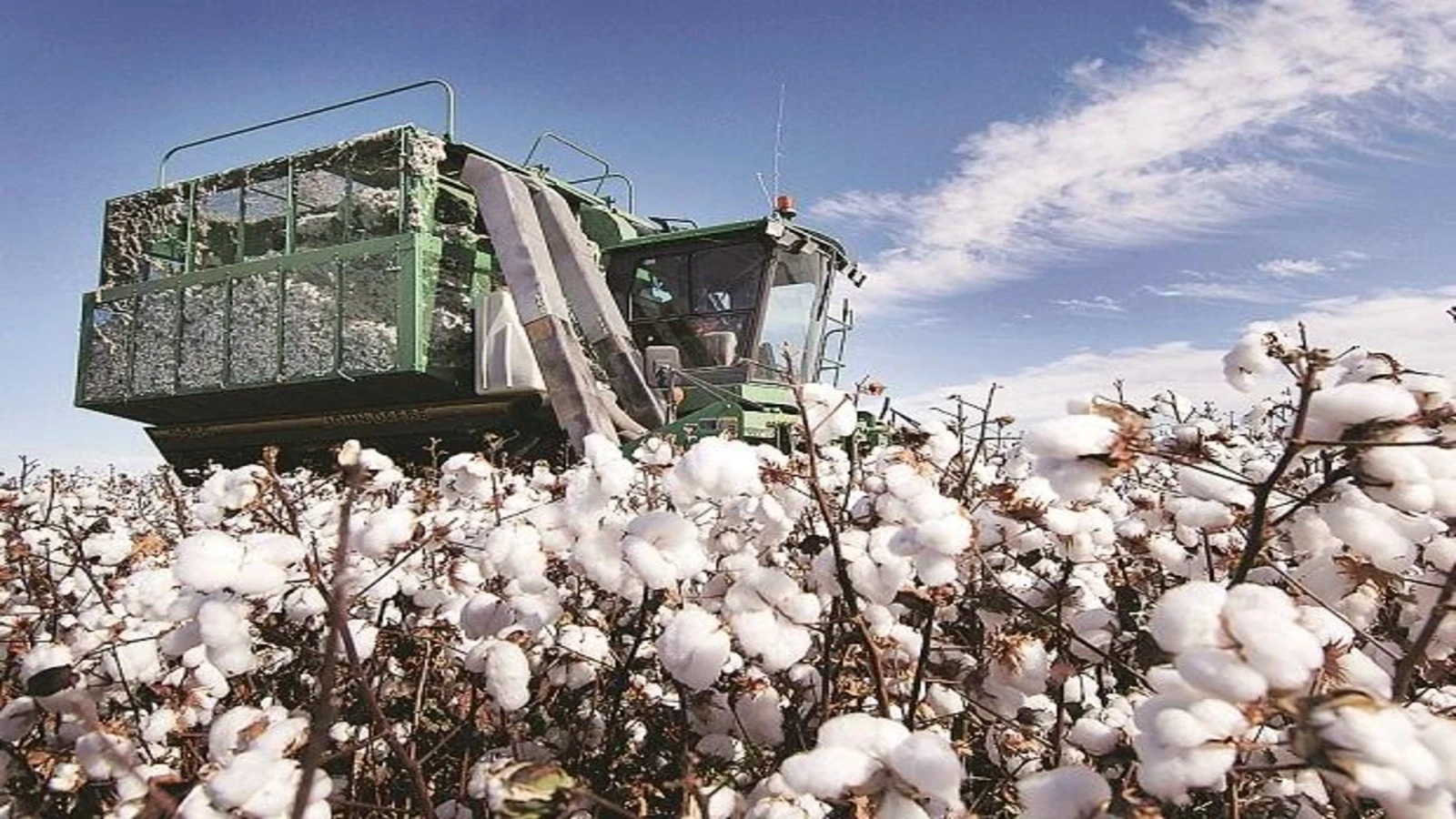
India, being the world’s second-largest cotton producer, is well-positioned to meet this demand. Additionally, the depreciation of the Indian rupee against the Chinese yuan has made Indian yarn more price-competitive, further boosting exports. This combination of global supply constraints and favorable currency movements has created a strong export opportunity for Indian yarn manufacturers.
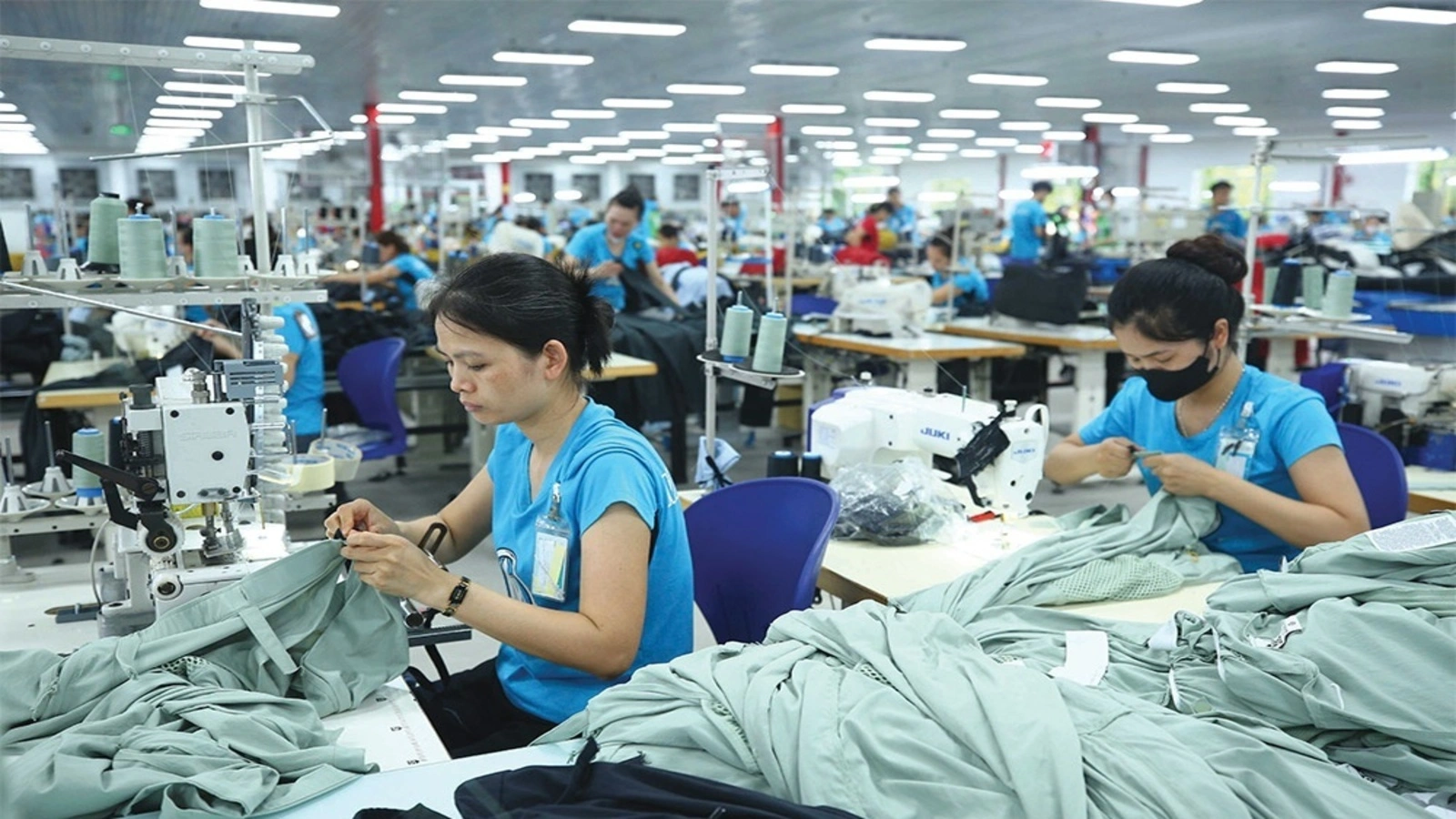
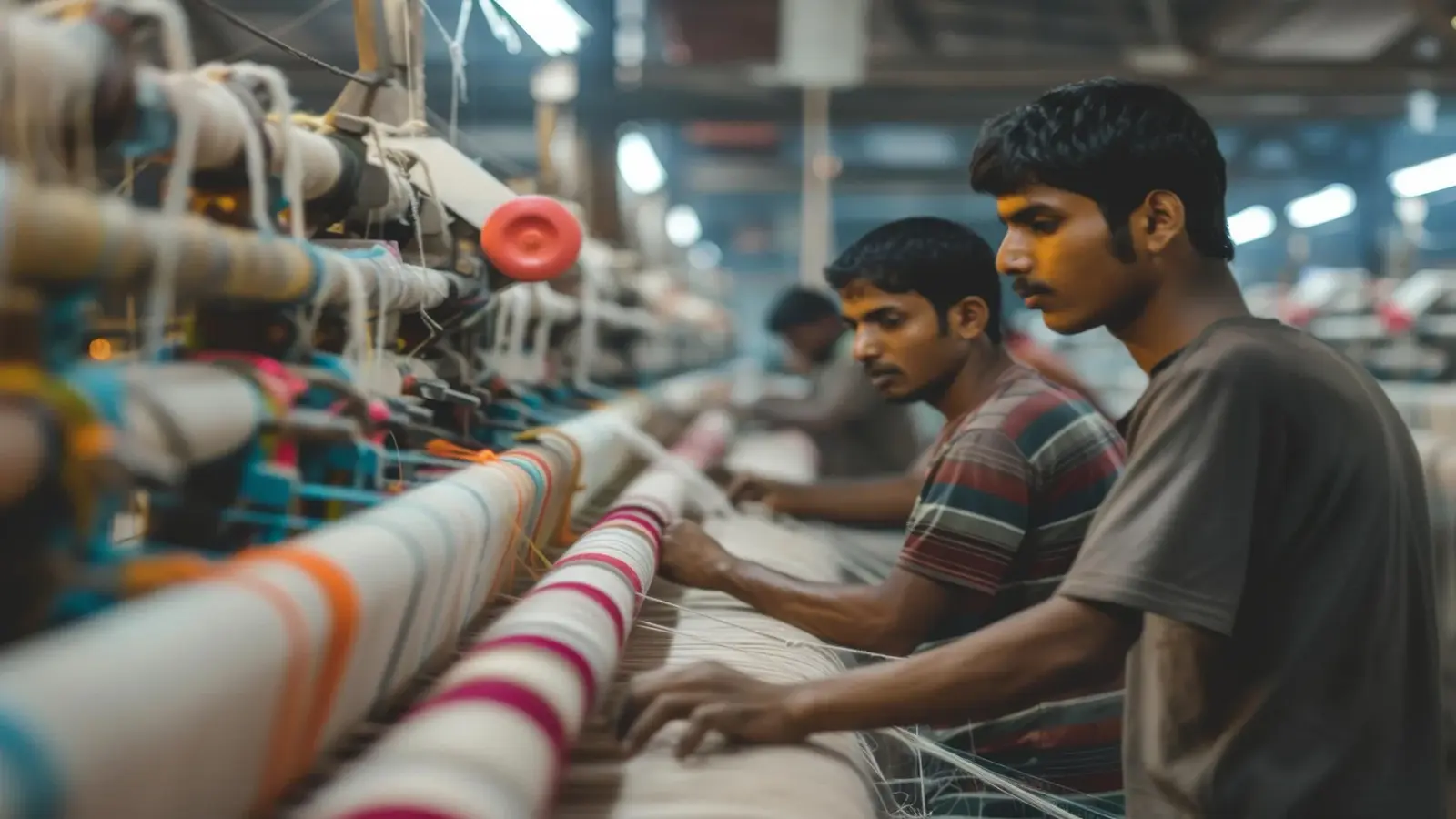
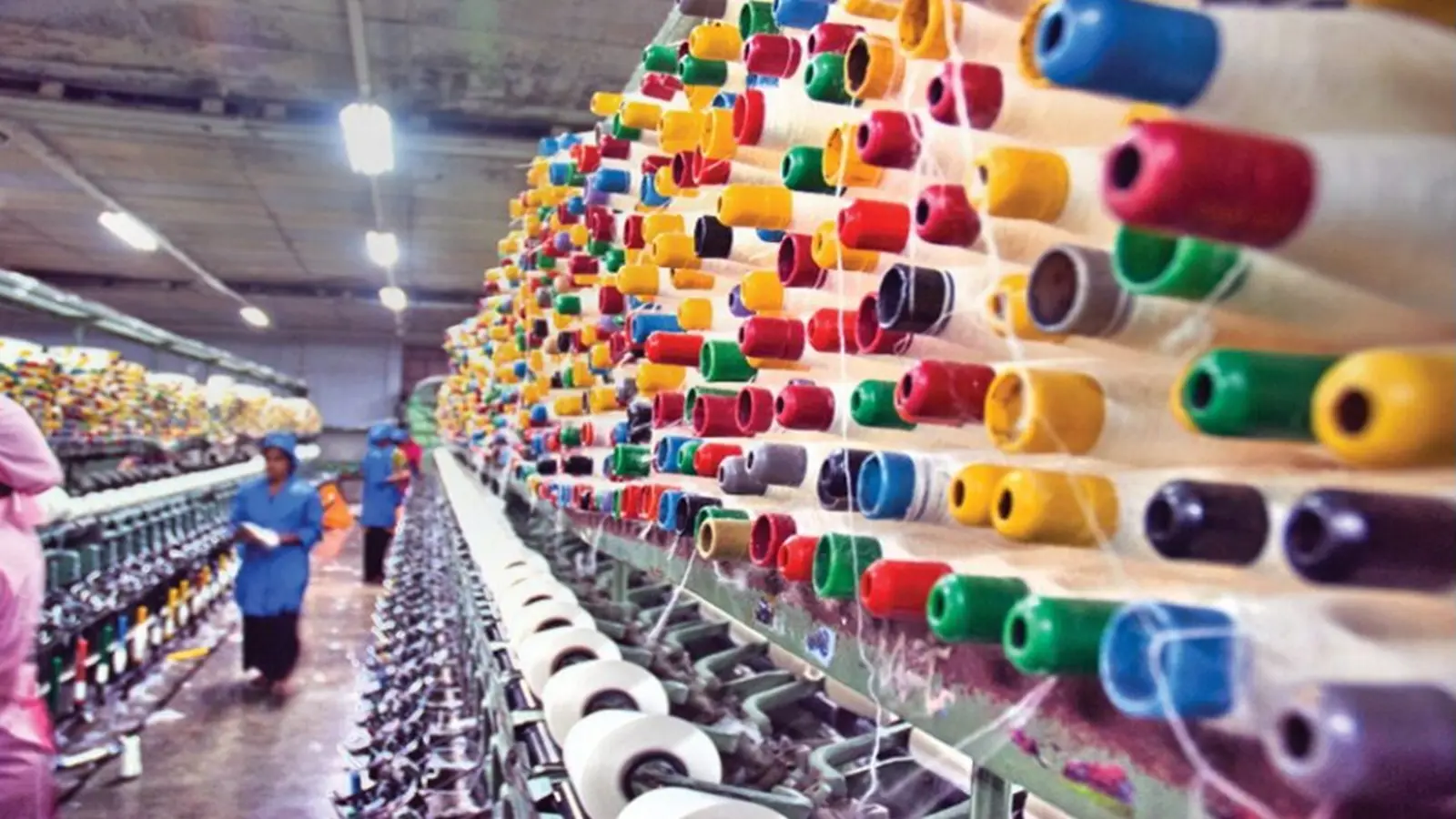
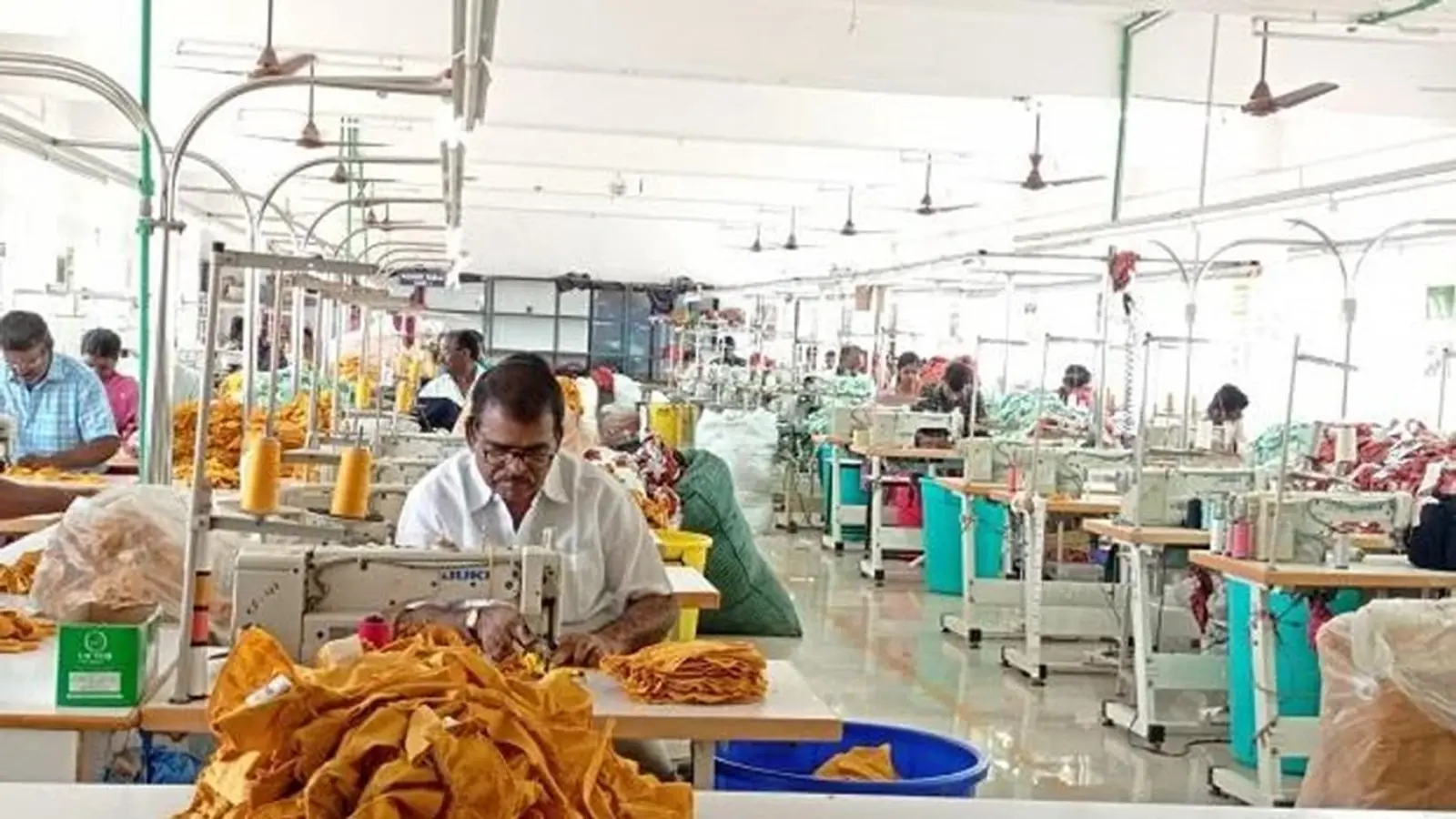
Mills in Gujarat, in particular, have benefited due to their proximity to cotton-growing regions and major ports, allowing efficient production and quicker export delivery. Companies such as Fiotex Cotspin have reported a significant increase in export orders, with some witnessing a growth of around 40% in recent months. As a result, many factories are now operating at full capacity, compared to earlier utilization levels of around 90%.
The surge in demand has also led to forward booking of orders, with production schedules already filled for the coming months. While this growth is largely driven by temporary geopolitical factors, it underscores India’s potential to strengthen its role in the global textile supply chain. If sustained, the current trend could translate into long-term gains for the country’s textile export sector, positioning India as a key supplier in the evolving global market.
03:24 PM, Apr 23
.webp)

.webp)
.webp)
Industry Update
1.webp)
.webp)

1.webp)
1.webp)
1.webp)
1.webp)

1.webp)

1.webp)

1.webp)
1.webp)
1.webp)
1.webp)


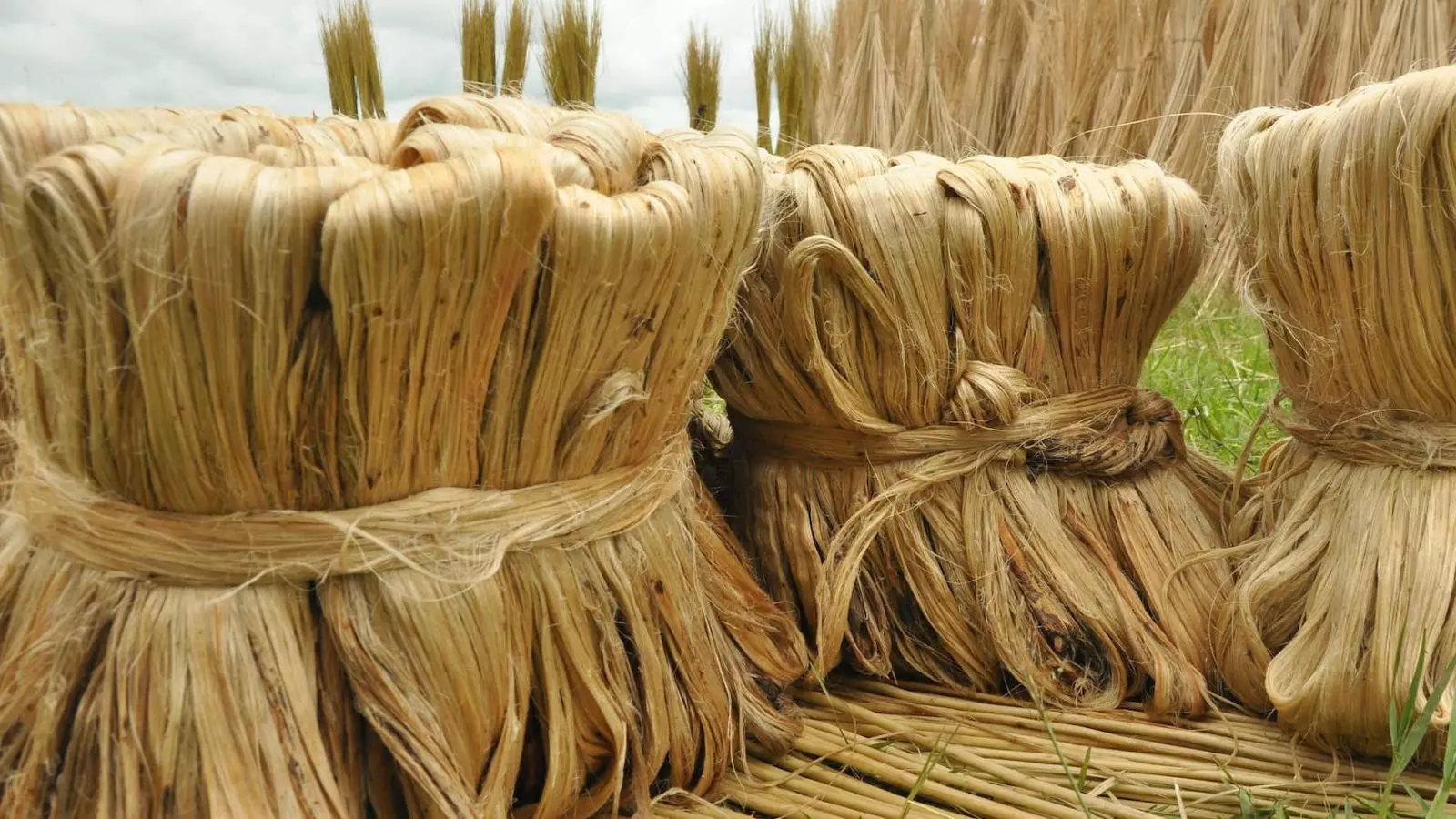
India Expands ₹10,683 Crore Textile PLI Scheme to Boost MMF and Technical Textile Growth...view more

1.webp)
1.webp)
1.webp)
1.webp)
1.webp)

1.webp)





1.webp)


1.webp)
1.webp)


1.webp)


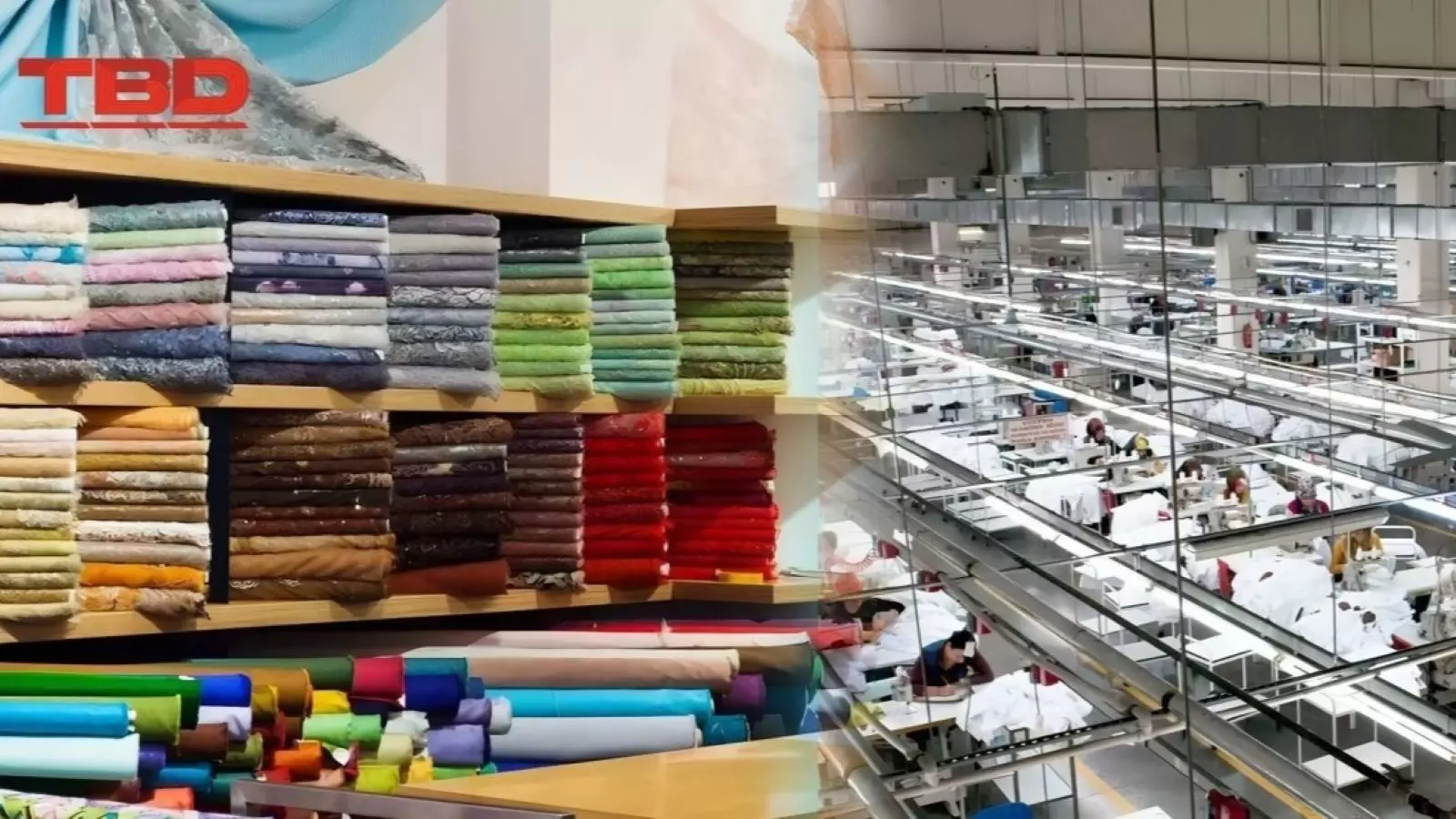
Uttar Pradesh’s New PM MITRA Textile Park Aims to Transform State into Major Textile Hub...view more


1.webp)


1.webp)



1.webp)


1.webp)
1.webp)
1.webp)


1.webp)
1.webp)
1.webp)
1.webp)


1.webp)
1.webp)


1.webp)


1.webp)
1.webp)


1.webp)

1.webp)


1.webp)


1.webp)
1.webp)
1.webp)


Kolkata Set to Become Textile Sourcing Hub as YARNEX and TEXINDIA Return in January 2026...view more
1.webp)
1.webp)

1.webp)


1.webp)
1.webp)
1.webp)
1.webp)
1.webp)
1.webp)

1.webp)

1.webp)
1.webp)


1.webp)


1.webp)


1.webp)


1.webp)


1.webp)

1.webp)
1.webp)

1.webp)

1.webp)

.webp)

1.webp)

1.webp)








1.webp)









1.webp)


1.webp)



Carrington Textiles Introduces Defence Stock Range for Faster Access to Military Fabrics...view more


1.webp)


1.webp)


1.webp)
1.webp)


1.jpg)


1.jpg)


_large1.jpeg)


.png)


.jpg)
.jpg)
.jpg)


1.jpeg)